The difference between a good day in nature and an unforgettable one often comes down to curation. A true luxury nature experience planning guide is not about adding expensive extras to an outdoor excursion. It is about shaping each detail so the landscape feels intimate, restorative, and deeply considered from the moment you leave your hotel to the moment you return.
For travelers coming to Costa Rica, that distinction matters. Guanacaste offers volcanic landscapes, rainforest trails, thermal waters, and extraordinary biodiversity, but the experience can feel very different depending on how it is designed. One itinerary rushes you through a crowded checklist. Another invites you to slow down, hear the birds before you see them, feel the change in temperature near a waterfall, and enter warm mineral pools when your body is ready to receive them. Luxury in nature is less about spectacle and more about intention.
What luxury means in a natural setting
In cities, luxury is often measured in square footage, labels, and access. In the rainforest, the standard shifts. Privacy becomes more valuable than volume. Silence becomes a form of privilege. Expert guidance matters more than self-service because the richest parts of the landscape are often missed without trained interpretation.
That is why the best luxury nature experiences feel composed rather than crowded. The trail is not simply beautiful. It is introduced at the right pace, with time to pause at hidden details – the scent of wet earth after morning rain, the movement of morpho butterflies through filtered light, the contrast between cool river mist and thermal warmth. Service remains polished, but it never competes with the environment. It supports your relationship with it.
There is also a practical side to this. High-end travelers usually want comfort without losing authenticity. They do not want an artificial nature theme dressed up as eco-travel. They want real rainforest, real biodiversity, and real conservation value, presented with thoughtful hospitality, beautiful facilities, and a sense of ease.
A luxury nature experience planning guide starts with intention
Before selecting a property, tour, or private reserve, decide what you want the day to feel like. This is the step many travelers skip, and it shapes everything that follows.
Some guests want soft adventure with a restorative finish. Others want romance, celebration, or a private family memory that feels rare enough to mark a milestone. Some are drawn to wellness and want thermal soaking, body treatments, and a slower rhythm. Others want guided wildlife immersion with elevated dining and discreet service. These are not small preferences. They determine timing, terrain, pacing, and the kind of host you should choose.
If your goal is restoration, a packed multi-stop itinerary may work against you even if it looks impressive on paper. If your goal is awe and intimacy, group bus tours with fixed schedules are rarely the right fit. Luxury planning starts when you stop asking, “How much can we fit in?” and begin asking, “What kind of memory are we trying to create?”
Choosing the right setting for a luxury nature experience
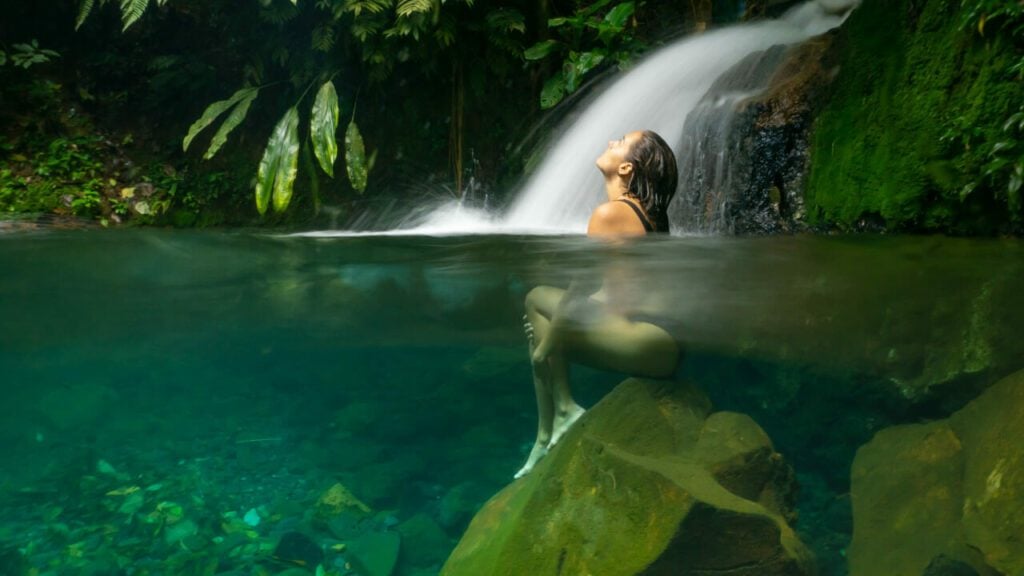
Not all beautiful landscapes deliver the same emotional result. A beach at sunset offers openness and ease. A rainforest reserve offers immersion, texture, and sensory depth. Waterfalls create drama, while thermal pools invite release. The strongest itineraries know how to balance these elements instead of treating them as interchangeable attractions.
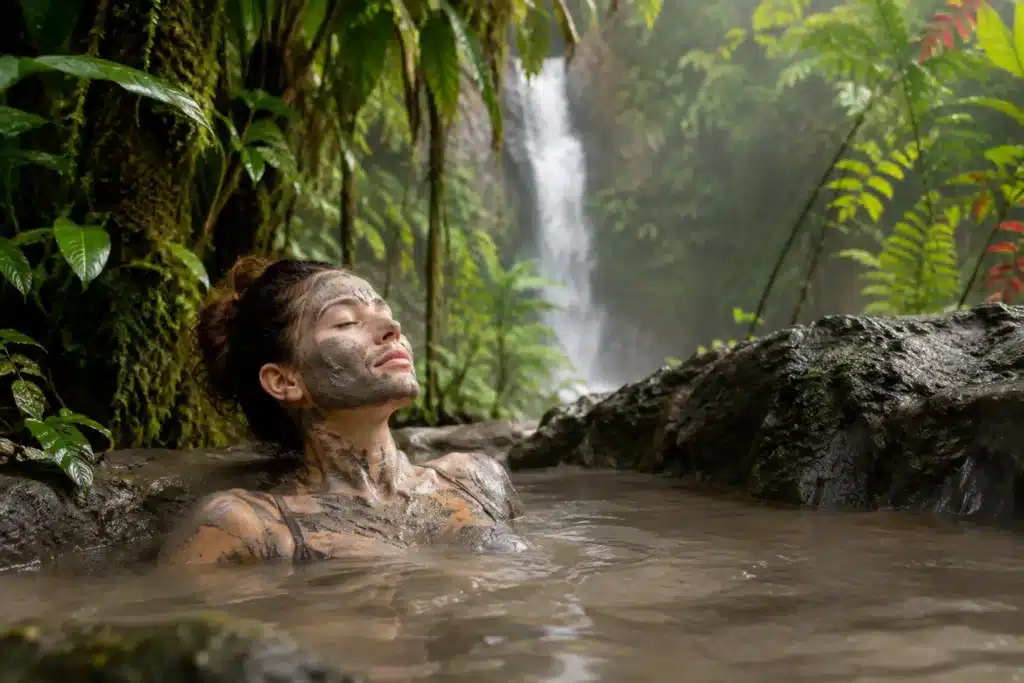
For many visitors to Guanacaste, rainforest settings offer the most complete luxury nature experience because they combine movement, stillness, and transformation in a single day. You can begin with a guided walk under the canopy, continue toward waterfalls and river crossings, then shift into a more restorative chapter with thermal waters, volcanic mud, or a wellness treatment. The transition matters. When the progression is done well, the day feels like a narrative rather than a schedule.
This is where exclusivity becomes meaningful. Private access or limited-entry reserves preserve the atmosphere that affluent travelers are usually seeking. The sounds are clearer. Wildlife encounters feel less interrupted. Meals can be timed with grace instead of rushed around crowds. Even a simple cup of coffee tastes different when there is space around you.
How to evaluate guides, service, and privacy
Luxury in nature depends heavily on the quality of the human layer around the landscape. A remarkable setting can still feel ordinary if the hosting is inattentive or transactional.
Look first at the guiding philosophy. The best guides do more than point out species names. They read the energy of the group, understand when to explain and when to let silence do its work, and know how to turn a trail into an encounter with place. For couples, that may mean creating room for quiet wonder. For families, it may mean keeping children engaged without flattening the experience into entertainment.
Service should feel polished but never intrusive. Transportation support, welcome rituals, fresh amenities, refined dining, robes, changing areas, and thoughtful transitions between activities all contribute to the experience. Yet none of these should feel performative. In premium eco-luxury, elegance is measured by calm execution.
Privacy deserves close attention as well. Some travelers hear the word VIP and imagine exclusivity, only to arrive at a busy site with a reserved table and little else. Real privacy is spatial. It shows up in limited group sizes, reserved access, quiet facilities, and enough time to enjoy each environment without being moved along.
Timing is one of the most overlooked luxuries
A sophisticated luxury nature experience planning guide must account for timing, because the same location can feel entirely different depending on when you arrive.
Early hours often bring cooler temperatures, stronger wildlife activity, and a softer quality of light. Midday can work beautifully for thermal pools and long lunches, especially if there is shade and a restful environment. Late afternoon can be ideal for couples who want a more romantic atmosphere and a gentle close to the day.
Seasonality matters too. Green season can be especially beautiful for travelers who appreciate lush landscapes, dramatic cloud formations, and fewer people. Dry season offers easier logistics and more predictable conditions. Neither is automatically better. It depends on whether you value convenience, vivid rainforest textures, or a particular mood.
Wellness is not an add-on
For many high-end travelers, the deepest luxury is not activity but relief. Nature delivers that best when wellness is built into the experience rather than attached to the end of it.
Thermal waters, volcanic mud, massage treatments, and quiet lounges can transform a scenic outing into something genuinely healing. The body has a chance to process what the senses have absorbed. Walking becomes grounding. Heat becomes release. Dining becomes nourishment rather than just another reservation.
This is one reason curated one-day experiences are so appealing. They can hold both adventure and restoration without requiring a full retreat schedule. A carefully designed day in the rainforest can offer a rare balance – enough movement to awaken you, enough comfort to soften you, and enough beauty to stay with you after the trip is over.
In Costa Rica, brands such as Sensoria have helped define this approach by treating the rainforest as sanctuary rather than backdrop. That difference is felt in the pace, the privacy, and the sensory richness of the day.
The trade-offs worth considering
Luxury planning also means being honest about trade-offs. The most remote and exclusive experiences may involve longer transfers. The most biodiverse trails may require moderate walking, humidity tolerance, or weather flexibility. The quietest settings may not suit travelers who want constant social energy.
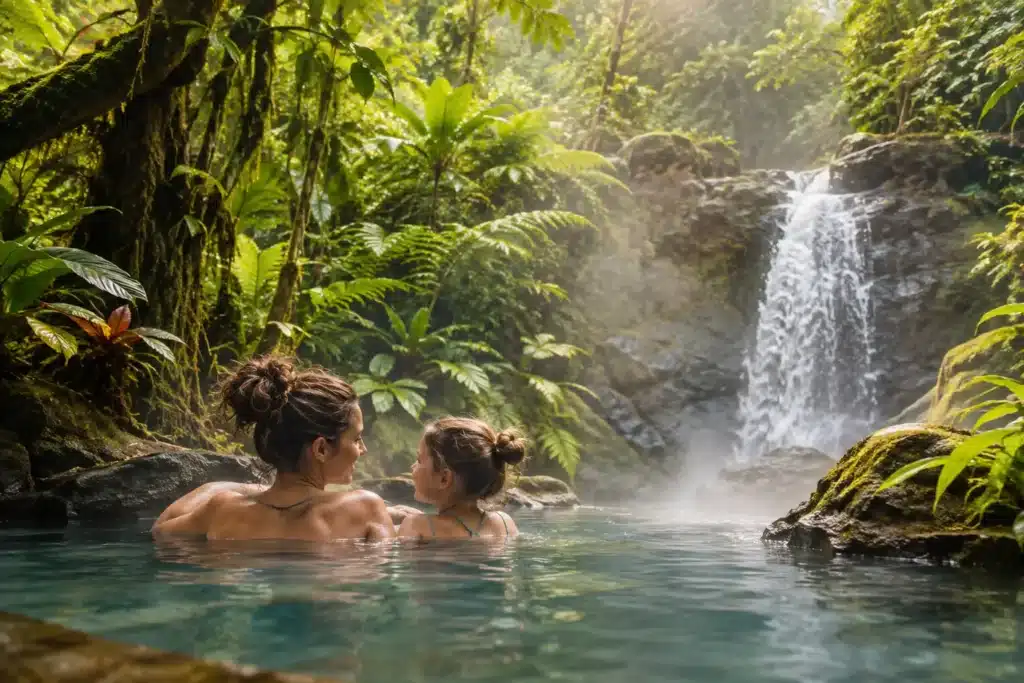
For families, the right choice depends on ages and expectations. Younger children may thrive with shorter walks and more interactive guiding. Multigenerational groups may need comfort-forward pacing with accessible facilities. Couples celebrating a honeymoon or proposal may prioritize privacy over variety.
Budget matters too, even in the luxury segment. Premium nature experiences are priced higher for good reason – conservation, staffing, maintenance, private access, and personalized service all carry real costs. The question is not whether the experience is expensive. It is whether the design creates emotional value equal to the price.
Building a day that feels exceptional
The best itineraries tend to follow a natural rhythm. Arrival should feel calm and anticipatory, not rushed. The opening activity should connect you to the environment gently, usually through guided walking or scenic immersion. The middle of the day should offer a moment of contrast, such as waterfall discovery, elevated lunch, or thermal bathing. The final chapter should leave you restored rather than depleted.
When every element supports the next, even a single day can feel expansive. You do not need ten stops to feel that you have experienced Costa Rica well. Often, fewer places with greater depth create the more lasting impression.
If you are planning a luxury nature escape, choose the experience that gives you space to feel where you are. The rarest indulgence is not excess. It is being fully present in a place extraordinary enough to quiet everything else.