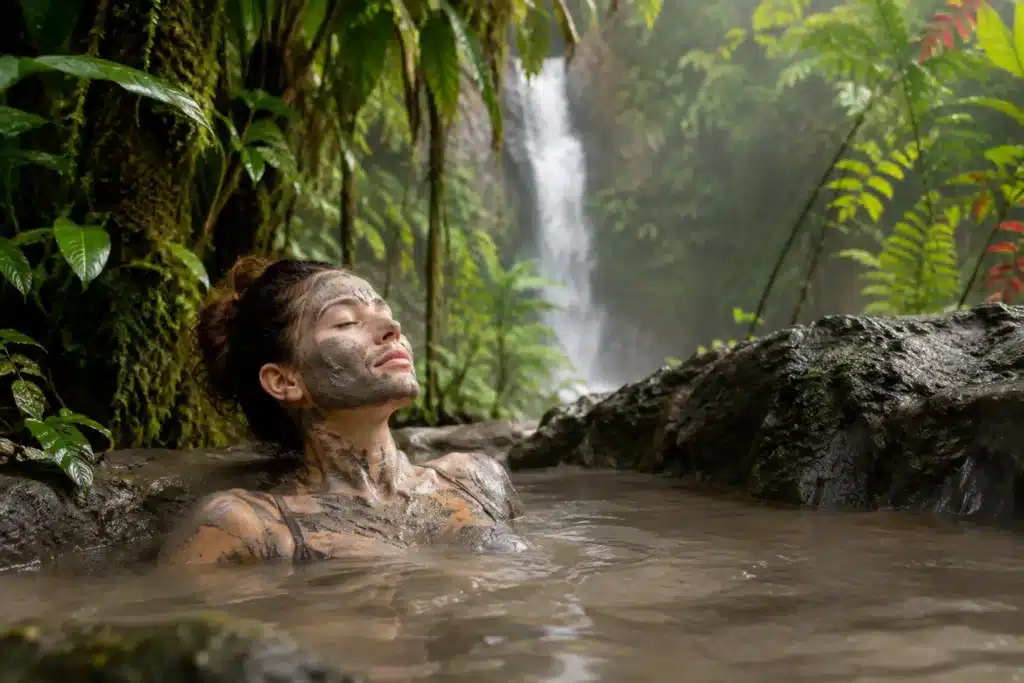
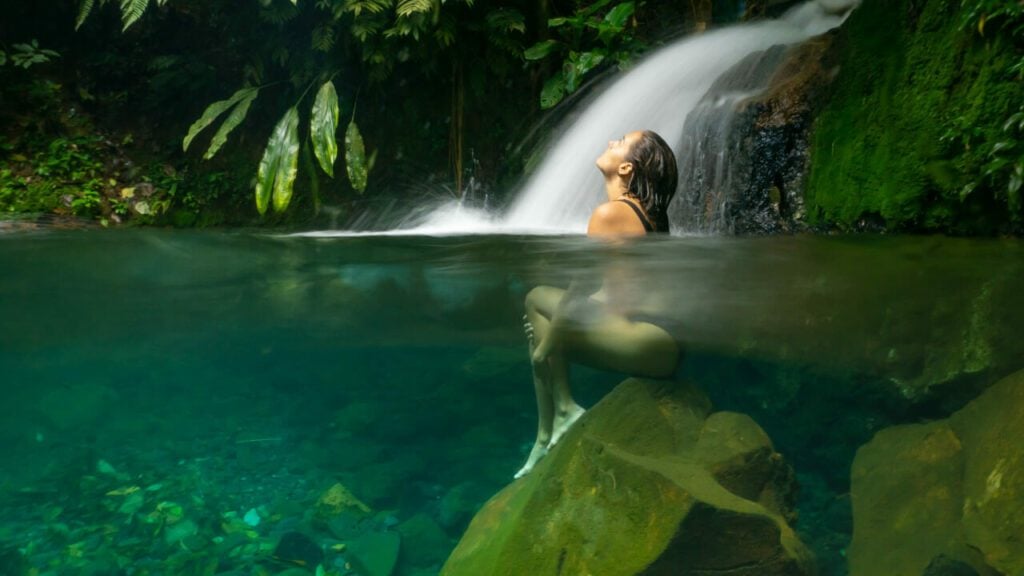
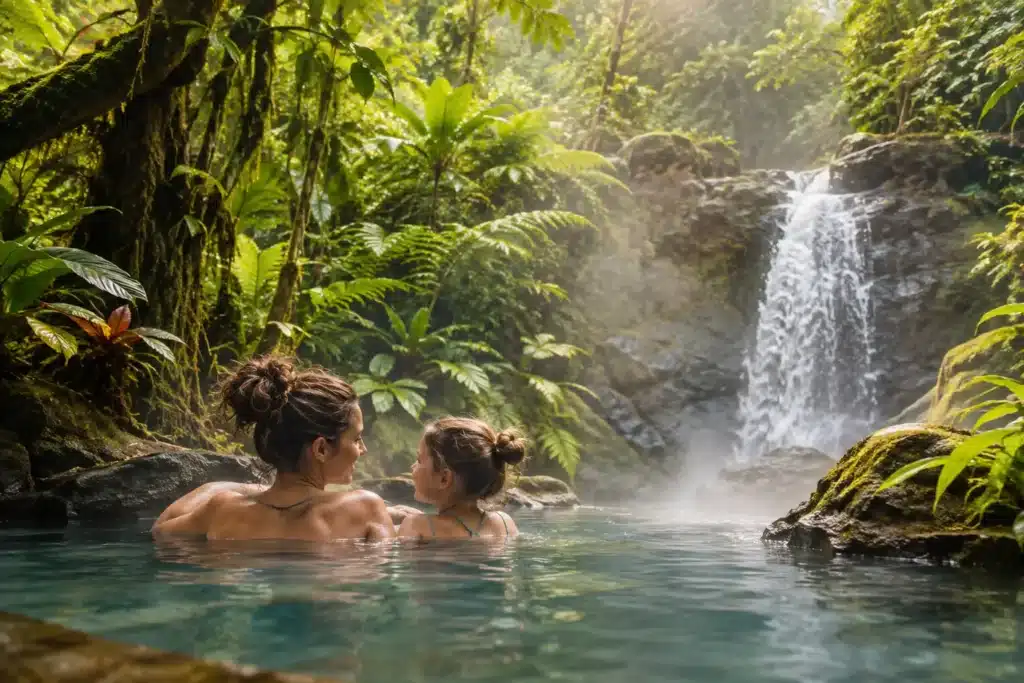
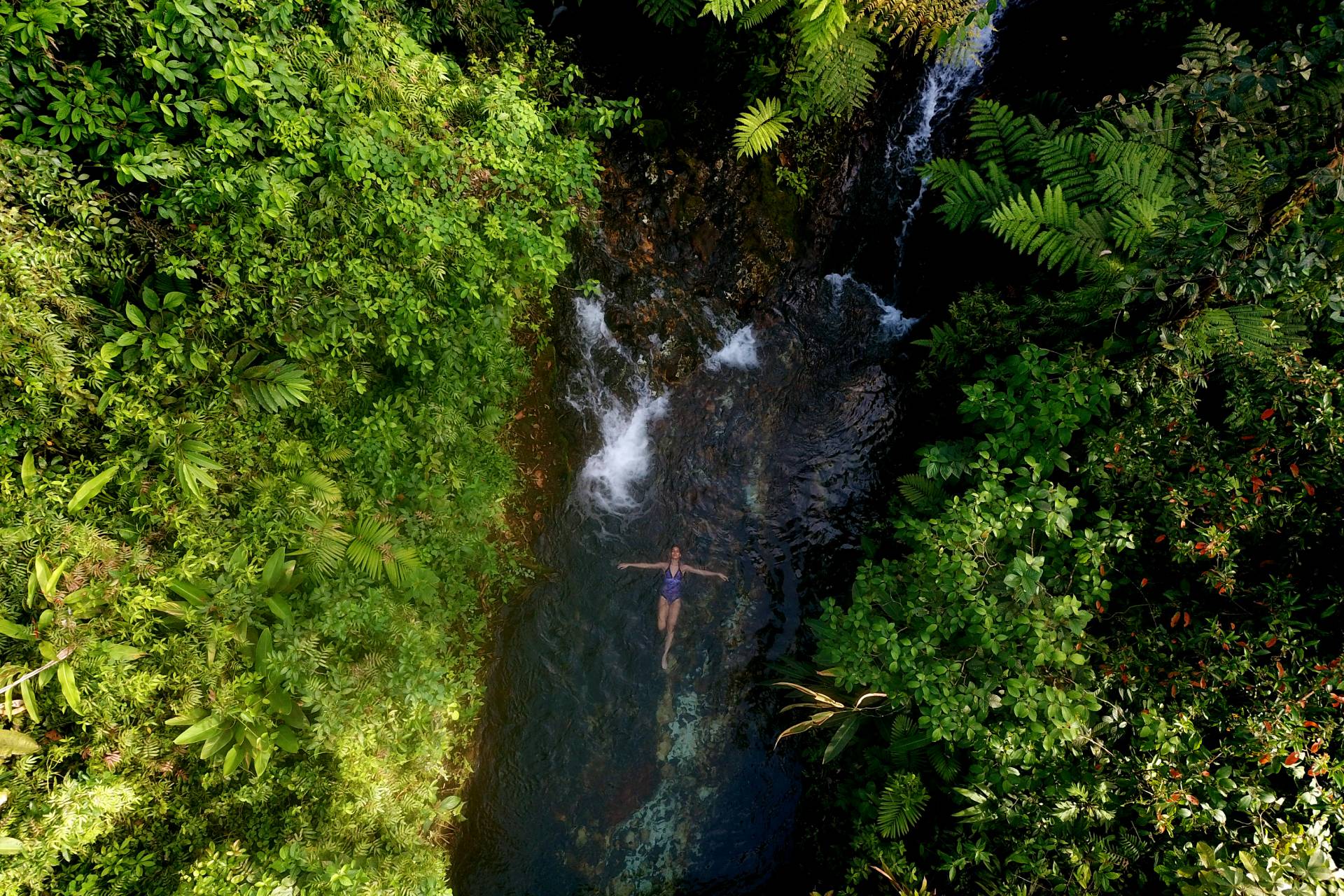
After a long hike, a demanding travel day, or weeks of carrying more stress than your body was meant to hold, the appeal of warm mineral water feels almost instinctive. But are thermal pools good for recovery? In many cases, yes – especially when recovery means easing muscle tension, calming the nervous system, and giving the body space to restore itself with less effort.
That said, not all recovery is the same. A thermal pool can be deeply beneficial after physical exertion, helpful during stressful travel, and especially restorative when paired with quiet, nature, and unhurried time. It is less universally ideal, however, for every moment after intense training or for every traveler in every condition. The real answer is more nuanced than a simple yes.
Why thermal pools can support recovery
Warm water changes how the body feels almost immediately. Heat encourages blood vessels to widen, which can improve circulation and help muscles feel less guarded and tight. Buoyancy reduces the load on joints and connective tissue, creating a sense of lightness that is difficult to replicate on land. Even before minerals enter the conversation, these two factors alone explain why many people step into a thermal pool feeling one way and emerge feeling noticeably better.
There is also the nervous system response. Recovery is not only about muscles. It is also about shifting out of a state of stimulation. When the body remains tense, rushed, or overstimulated, repair can be harder to access. Warm thermal water often helps lower that internal noise. Breathing slows. Shoulders drop. The mind softens its grip. For travelers who arrive carrying both physical fatigue and mental overload, this can be one of the most meaningful forms of recovery.
If the thermal water contains naturally occurring minerals such as sulfur, calcium, magnesium, or silica, some guests report an added sense of relief in their skin, joints, or overall comfort. Research on mineral-specific benefits varies by source and concentration, so it is wise not to treat every claim as universal fact. Still, the combination of warmth, mineral content, and stillness can create a genuine therapeutic effect.
Are thermal pools good for recovery after exercise?
They can be, but timing matters.
If your workout or adventure left you with general stiffness, heavy legs, or mild soreness, thermal pools often feel excellent. Warmth may help muscles relax, and the gentle pressure of water can be soothing after long walks, trail exploration, or lower-impact activity. For many travelers in Costa Rica, this kind of recovery is exactly what they need – not high-performance sports medicine, but a graceful return to balance after a day of movement.
The trade-off appears after very intense exercise, especially in the first hours following hard training. Some athletes prefer cold water early on because heat can increase blood flow and may not be the best choice when acute inflammation is high. In other words, if you have just finished an all-out effort and your primary goal is reducing immediate inflammation, a thermal pool may not be your first tool.
But most luxury travelers are not training for competition while on vacation. They are hiking, swimming, walking uneven terrain, recovering from flights, and resetting from full schedules. In those situations, thermal pools are often wonderfully effective because the goal is comfort, mobility, and nervous system recovery rather than maximizing a narrow athletic outcome.
The kind of recovery travelers often forget
One of the most overlooked benefits of thermal pools is travel recovery.
Long flights, changing time zones, dehydration, poor sleep, and hours of sitting can leave the body feeling compressed and unsettled. You may not call it soreness, yet your back feels tight, your legs feel heavy, and your energy becomes strangely dull. A warm thermal pool can address this kind of fatigue with unusual elegance. The heat invites circulation. The water supports the body without demand. The setting, when immersed in rainforest and silence, offers something modern travel rarely gives: nervous system relief.
This is where the experience matters as much as the water itself. A crowded, noisy thermal area may still be pleasant, but it will not create the same quality of restoration as a carefully held natural setting. Privacy, fresh air, beautiful surroundings, and a slower rhythm all influence how deeply the body lets go. Recovery is rarely just physiological. It is environmental and emotional too.
What thermal pools do best
Thermal pools tend to be most helpful for easing muscle tension, reducing the sensation of stiffness, and promoting a state of deep relaxation. They can also support gentle mobility, since warm water often makes stretching or simple movement feel more comfortable. For some guests, especially those dealing with stress rather than injury, that alone is transformative.
They are also especially appealing for couples and wellness-minded travelers because the effect is not clinical. It feels luxurious, sensory, and restorative at once. The body receives support, but so does the mood. That combination is part of what makes thermal water memorable rather than merely functional.
At a place such as Sensoria, where thermal pools are part of a broader rainforest wellness experience, recovery becomes more complete. The body is not only warmed. The senses are reawakened by birdsong, forest fragrance, mineral-rich steam, and the quiet rhythm of a protected landscape. In that setting, restoration goes beyond muscle relief and becomes a fuller form of renewal.
When thermal pools may not be the right choice
A thoughtful answer to are thermal pools good for recovery also needs boundaries.
If you have a fresh injury, significant swelling, or a condition that worsens with heat, thermal pools may not be appropriate. The same caution applies if you are dehydrated, overheated, prone to dizziness, or managing certain cardiovascular concerns. Pregnancy, recent surgery, and skin sensitivities can also call for more care depending on the person and the water temperature.
Even for healthy guests, more is not always better. Staying too long in very hot water can leave you lightheaded or fatigued instead of refreshed. The most restorative approach is often the most restrained: enter slowly, hydrate well, stay attentive to how you feel, and step out before the heat becomes draining.
How to use thermal pools for better recovery
The most beneficial thermal pool experience is intentional rather than excessive. Start with a moderate soak instead of a marathon session. Ten to twenty minutes is often enough to feel the effects, especially if the water is quite warm. Afterward, rest, drink water, and give your body a moment to adjust.
If you are using thermal pools after physical activity, let your exertion settle first. A short walk, light stretching, or simply cooling down can make the transition more comfortable. If your body feels inflamed rather than merely tired, you may want to wait a little longer before entering hot water.
It also helps to treat recovery as an atmosphere, not a single act. The pool works best when the rest of the experience supports restoration – unhurried pacing, nourishing food, shaded pathways, clean air, and a sense of calm. This is one reason natural thermal experiences feel so different from a quick hotel soak. Context changes the outcome.
So, are thermal pools good for recovery?
Yes, very often they are – especially for muscular tension, travel fatigue, stress relief, and the kind of physical tiredness that asks for softness rather than force. They are less of a universal answer for acute sports recovery in every scenario, and they should be approached with care if heat is not advisable for your body.
The deeper truth is that recovery is not only about repairing what is strained. It is also about returning to yourself. Warm mineral water, surrounded by living forest, can help the body loosen, the breath lengthen, and the mind settle into a quieter rhythm. When that happens, recovery stops feeling like a task and begins to feel like a privilege worth making time for.