
The next great luxury trip may not begin with a city itinerary or a packed schedule. It may begin with a quieter question: how do I want to feel when I return home? That shift is what makes wellness travel trends 2026 so compelling. Travelers are no longer treating wellness as a spa add-on or a single yoga class between excursions. They are choosing journeys shaped by restoration, privacy, nature, and experiences that leave the body calmer and the mind clearer.
For discerning travelers, this change is not about chasing a trend for its own sake. It is about becoming more selective. The most sought-after wellness escapes now balance beauty with substance, comfort with authenticity, and indulgence with genuine renewal. In 2026, the destinations and experiences that stand out will be the ones that understand that balance.
Wellness travel trends 2026 are becoming more intentional
The defining shift is intention. Wellness travel is moving away from quantity and toward quality. Guests are asking fewer questions about how much they can fit into a trip and more about which experiences are worth protecting time for.
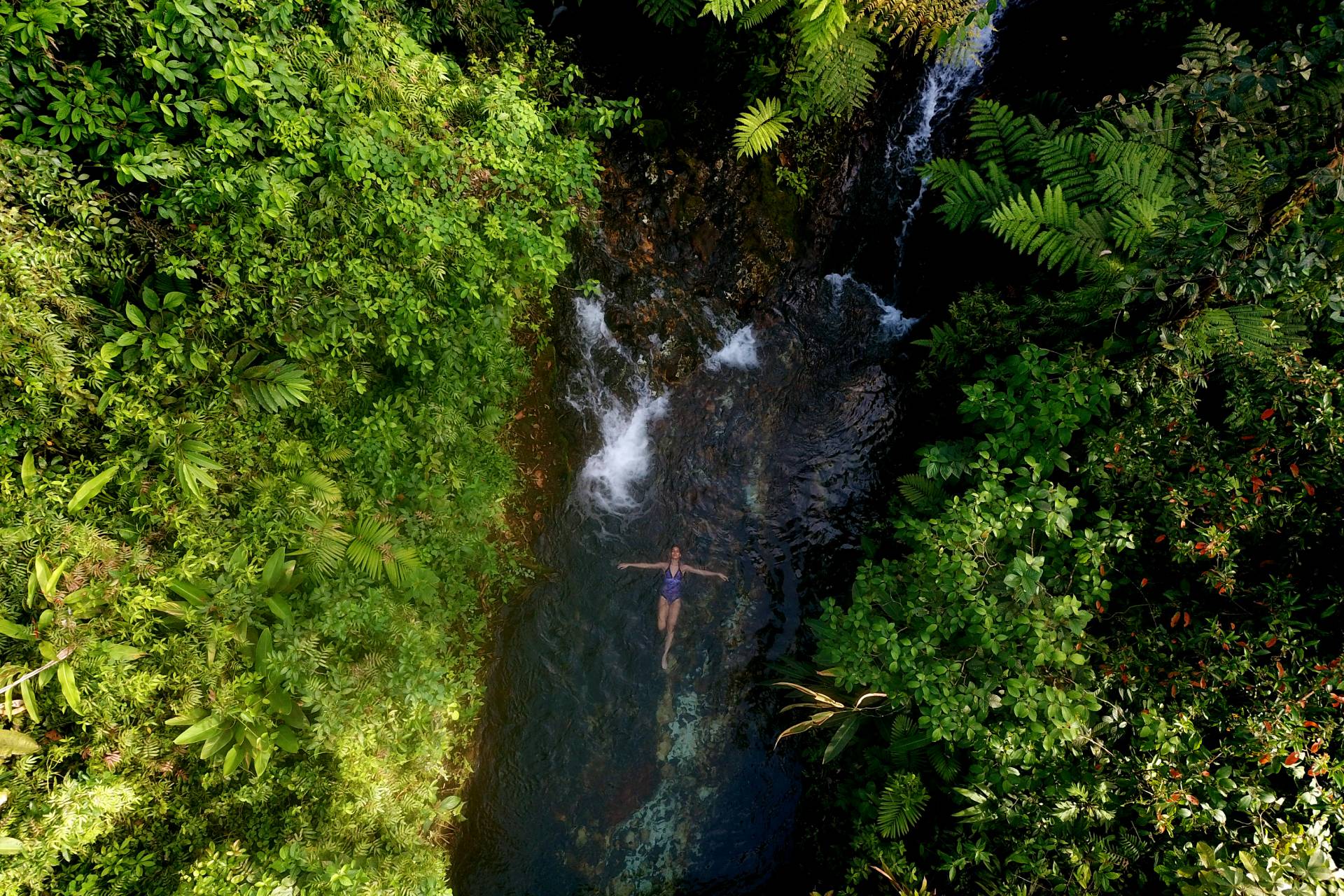
That changes what luxury means. A private waterfall swim feels more valuable than a crowded attraction. A guided rainforest walk with time to pause, listen, and breathe can offer more restoration than a rushed itinerary full of checkmarks. Travelers still want memorable moments, but they want those moments to serve a deeper purpose – recovery, reconnection, celebration, or simply stillness.
This is especially true for couples, small groups, and high-end travelers who have already experienced traditional luxury. They are less impressed by excess alone. They want privacy, thoughtful service, natural beauty, and a setting that makes them feel fully present.
1. Nature will become the new wellness architecture
In the past, wellness tourism often centered on built environments – spas, treatment rooms, fitness studios, and design-forward retreats. In 2026, one of the strongest movements is toward nature as the primary setting for healing.
Rainforests, thermal waters, mineral-rich mud, open-air trails, and quiet natural sanctuaries are becoming central to the wellness experience, not secondary scenery. This matters because travelers increasingly understand that restoration is not always found indoors. Sensory immersion in a preserved landscape can regulate stress in ways that feel immediate and lasting.
There is also a practical reason for this shift. People are tired of artificial environments that look tranquil but feel detached from place. A destination with living biodiversity, fresh air, natural sound, and protected land offers something rarer: wellness rooted in the real world.
For eco-luxury travelers, this creates a meaningful standard. The setting itself must be restorative, not just photogenic.
2. Thermal and hydrotherapy experiences will rise beyond the spa
Warm mineral waters have always carried a sense of ritual, but in 2026 they are moving back into focus with new relevance. Travelers want therapies that feel both ancient and sensorially rich. Thermal pools, contrast bathing, mud treatments, and water-based relaxation experiences meet that desire beautifully.
What is changing is the context. Rather than receiving a treatment in isolation, guests are seeking a sequence: movement, immersion, rest, nourishment, and quiet. A morning hike through lush terrain followed by thermal soaking and a refined meal offers a more complete arc than a single service booked in a hotel spa.
This trend also reflects a preference for wellness that feels intuitive rather than performative. Not every traveler wants a medicalized retreat or a strict program. Many want the pleasure of deep physical release in a setting that feels beautiful and unforced. Thermal experiences deliver that with elegance.
3. Privacy will become a core wellness amenity
One of the clearest wellness travel trends 2026 will reward is exclusivity. Not exclusivity as status theater, but exclusivity as emotional relief.
Affluent travelers are increasingly drawn to private reserves, limited-access experiences, custom-timed excursions, and settings that protect the sense of escape. Crowds disrupt the very conditions wellness is meant to create. Noise, waiting, overbooked facilities, and constant proximity to strangers do not support restoration.
That is why private and semi-private formats are gaining momentum. Couples celebrating a honeymoon or anniversary want intimacy. Families want comfort and flexibility. Small groups want shared beauty without the energy drain of mass tourism. A private guide, a secluded thermal area, or a curated nature experience can transform a day from pleasant to unforgettable.
There is a trade-off, of course. Greater privacy usually means a higher price point. But for many luxury travelers, the value is obvious. Time feels different when it is protected.
4. Short-format wellness journeys will outperform long retreats
Not every traveler has the appetite for a seven-day wellness retreat with a rigid schedule. In 2026, premium one-day and half-day wellness experiences will become even more attractive, especially for visitors who want meaningful restoration without giving up the rest of their vacation.
This is an important shift for destinations like Costa Rica, where travelers often want to combine adventure, beach time, dining, and nature. A beautifully curated one-day wellness journey can deliver many of the emotional benefits of a retreat if it is thoughtfully designed.
The key is depth, not duration. A rushed day with too many transitions will not feel restorative. But a single day that moves gracefully through rainforest exploration, thermal bathing, sensory pauses, nourishing food, and personalized service can feel transformative.
For sophisticated travelers, this format often makes more sense than an all-or-nothing wellness vacation. It integrates restoration into the broader trip rather than separating it from the travel experience.
5. Soft adventure and wellness will continue to merge
The old split between adventure travel and wellness travel is fading. More travelers now want both. They want movement, but not punishment. They want exhilaration, but not chaos.
That is why soft adventure is becoming central to luxury wellness. Think guided hiking instead of extreme sport. Waterfall exploration instead of high-volume attraction hopping. Wildlife observation, forest bathing, and scenic immersion instead of adrenaline for its own sake.
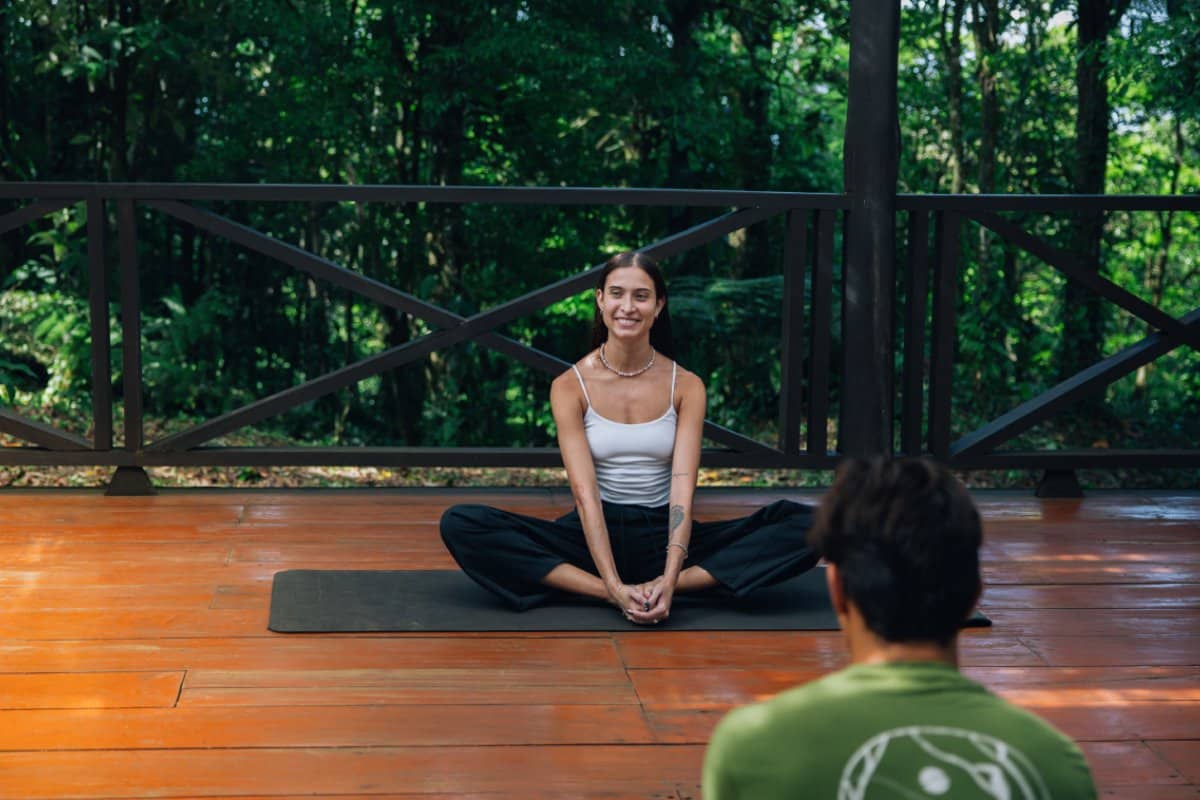
This blended model is especially appealing to travelers who define wellness broadly. For them, walking through a pristine landscape, crossing streams, feeling humidity on the skin, and entering thermal waters after physical movement is every bit as restorative as a formal treatment.
It also broadens who wellness travel is for. A couple may want romance and relaxation, while one partner still wants activity. A family may want something rejuvenating that does not feel passive. Soft adventure creates a shared language between these preferences.
6. Sustainability will be judged by experience, not messaging
By 2026, luxury travelers will be more skeptical of generic sustainability claims. They will look more closely at whether a destination actually protects what it promotes.
In wellness travel, that matters deeply. A place cannot credibly promise healing through nature while contributing to the degradation of that same environment. Preservation, land stewardship, and responsible access are becoming part of the wellness value proposition, not separate corporate language.
Travelers may not all ask for technical details, but they do notice signs of integrity. Is the setting overcrowded? Does the experience feel extractive? Are natural areas treated with reverence? Are guides knowledgeable and respectful of the ecosystem?
The strongest brands in this space will be the ones that understand sustainability as atmosphere as much as policy. Protected land, lower-impact access, and a genuine sense of care all shape the guest experience. They also shape trust.
7. Wellness will become more celebratory
Another subtle but important shift is that wellness travel is no longer reserved for detox, burnout, or recovery after exhaustion. In 2026, more travelers will choose wellness experiences to mark joyful life moments.
Honeymoons, proposals, milestone birthdays, anniversaries, and private group gatherings are increasingly being designed around beauty and restoration rather than nonstop activity. That does not mean the trip becomes solemn. Quite the opposite. Wellness can be deeply celebratory when it is paired with luxury touches, dramatic natural settings, elevated dining, and personalized rituals.
This is where experience design matters. A celebration in nature can feel intimate and extraordinary if it is curated with care. A champagne toast after a thermal soak. A private rainforest moment at golden light. A guided journey that feels both grounding and once-in-a-lifetime. These are the details that define modern luxury wellness.
What travelers should look for next
As wellness travel evolves, the best choices will not always be the most elaborate ones. They will be the ones that create a clear emotional result. Before booking, travelers should ask whether an experience offers true sensory immersion, enough privacy to relax, and a setting that supports both comfort and authenticity.
It also helps to be honest about personal travel style. Some guests want structured programming and intensive treatments. Others want nature, water, movement, and a slower rhythm. Neither approach is better. It depends on whether wellness feels like discipline or release to you.
In places such as Guanacaste, where rainforest, waterfalls, and thermal waters converge, this evolution feels especially natural. Thoughtfully curated experiences like those offered by Sensoria reflect where the market is heading – toward wellness that is immersive, refined, and inseparable from the living landscape itself.
The most memorable trip in 2026 may not be the one where you saw the most. It may be the one where your senses awakened, your pace softened, and you remembered what genuine restoration feels like.