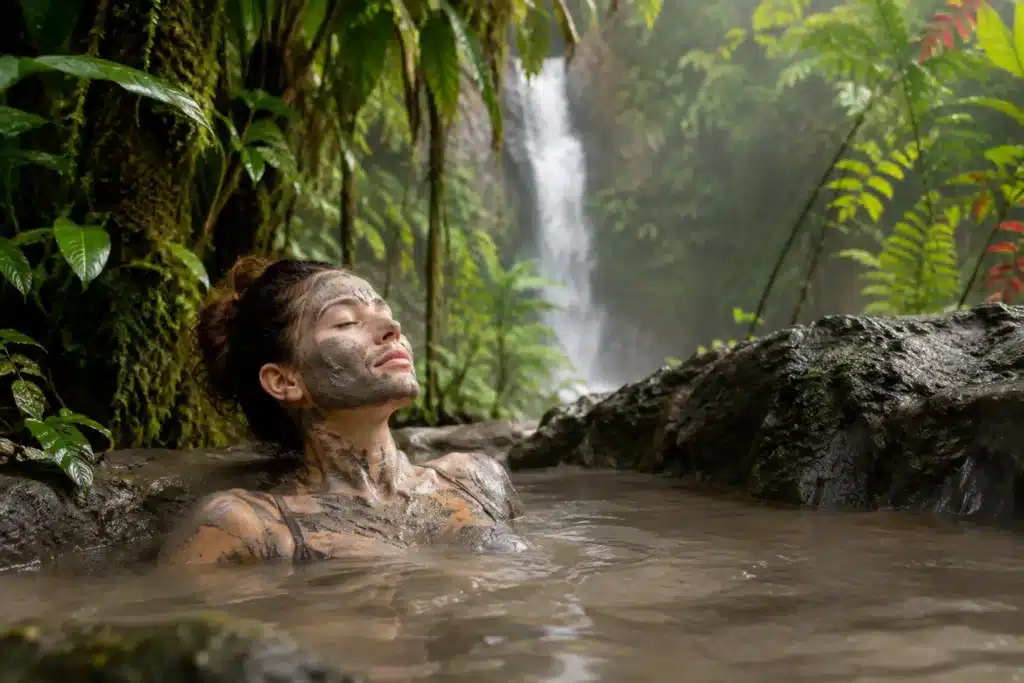
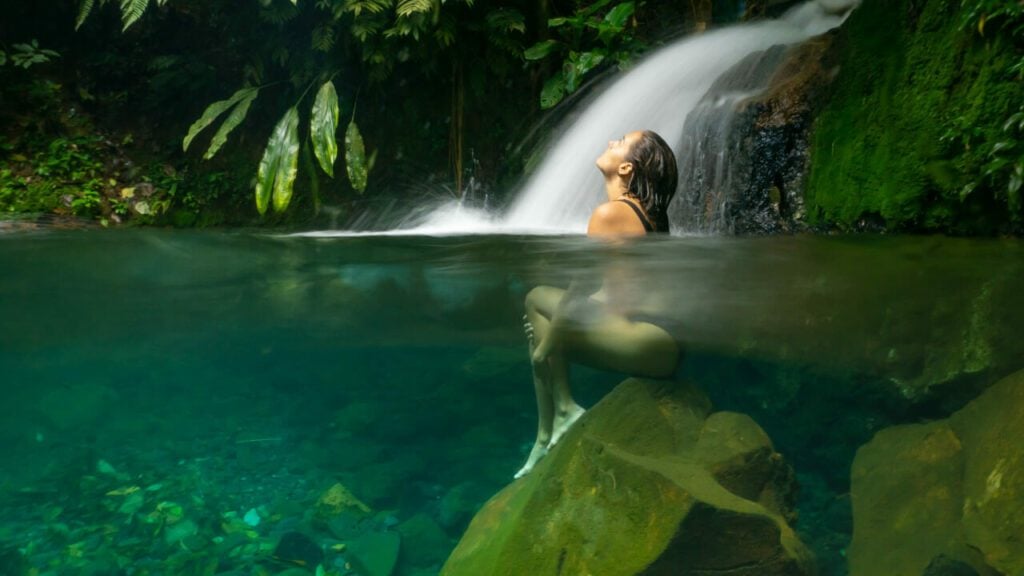
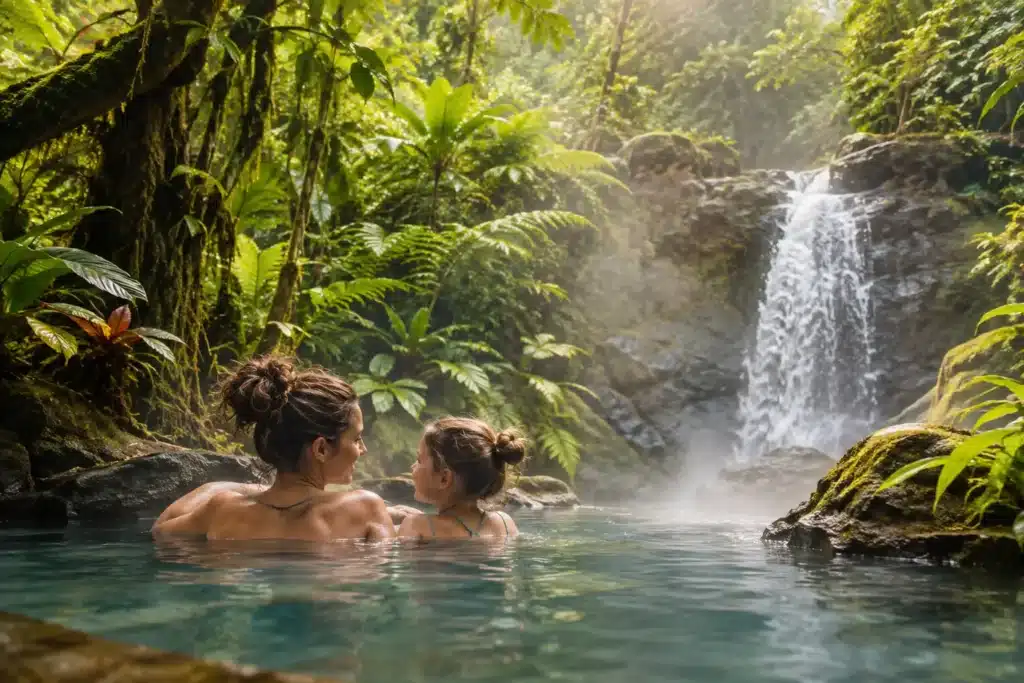
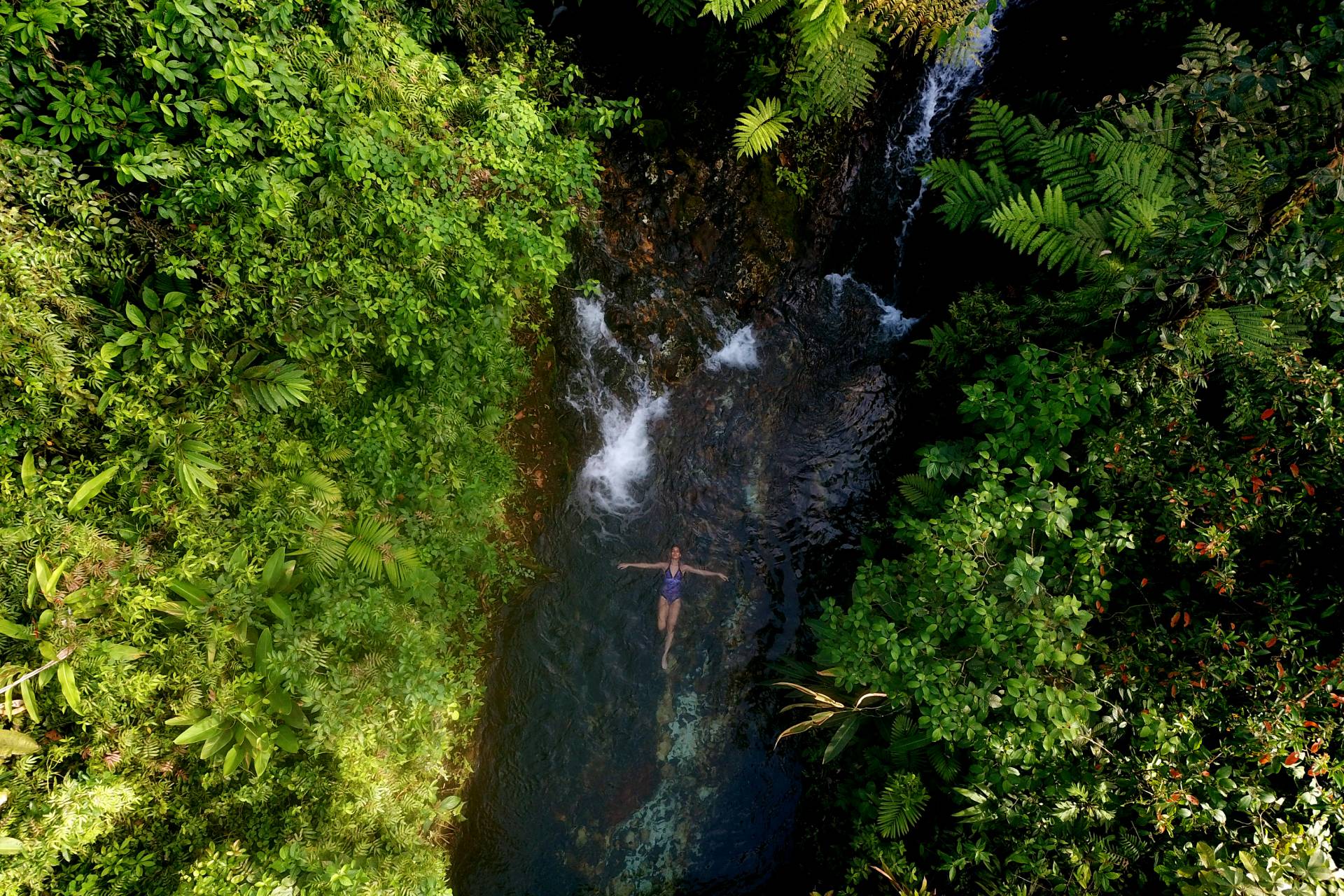
A rainforest trail can lead to a volcanic-blue pool, the hush of a hidden waterfall, and the perfume of wet earth after rain. It can also include uneven ground, exposed roots, steep sections, and weather that changes the route by the hour. So, are rainforest trails accessible? The honest answer is that accessibility is not a single yes-or-no promise. It depends on the reserve, the season, the specific trail, and what access means for you or someone traveling with you.
For discerning travelers, the better question is not whether a rainforest has been made to feel like a city sidewalk. It is whether the experience has been designed with thoughtful pacing, clear information, attentive guidance, and meaningful comfort before, during, and after the walk.
Are Rainforest Trails Accessible? It Depends on the Trail
Rainforest environments are living landscapes. Their beauty comes partly from what cannot be fully controlled: stone shaped by water, roots that rise through the path, inclines softened by mist, and streams that alter the ground after a tropical storm. Even well-maintained trails may be natural-surface paths rather than paved walkways.
In Costa Rica’s rainforest regions, trail accessibility can vary dramatically over a short distance. An entrance path may be broad and relatively level, while the route to a waterfall requires a descent over steps or irregular terrain. A thermal pool may be reached by a manageable garden path, while a more secluded viewpoint involves mud, rocks, or a narrow crossing.
This does not make the experience inaccessible in every sense. It means that travelers should distinguish between three different needs: mobility access, physical comfort, and desired adventure level. Someone who uses a wheelchair, walker, or other mobility device needs details about path width, surface stability, grades, steps, and accessible restroom facilities. A guest recovering from an injury may be able to enjoy short, gentle sections but not a longer waterfall route. A fit traveler who simply prefers an unhurried day may value frequent pauses and a private guide over a demanding hike.
Luxury in the rainforest should never mean minimizing these distinctions. It means addressing them with care.
What Makes a Rainforest Experience Feel More Accessible
A refined nature experience considers the entire day, not only the kilometers on a trail. The walk itself is one element of a larger rhythm that may include arrival support, a knowledgeable guide, places to rest, changing facilities, nourishing food, and restorative water.
Guided pacing is often the most valuable form of access for travelers who are comfortable walking but do not want to be rushed. An expert guide can choose a suitable route, slow down where the terrain becomes technical, point out handholds or footing, and create space to notice the forest rather than keep up with a group. This is especially important for couples, multigenerational families, and private groups with different confidence levels.
Smaller groups also make a genuine difference. On a crowded, fixed-schedule excursion, the fastest guests tend to set the pace. In a more personal setting, the day can honor the needs of the people present. A pause beside a fern-covered stream, an extra moment at a lookout, or a shorter route followed by a long soak in thermal waters can become part of the experience rather than a compromise.
Comfort infrastructure matters as well. Stable changing areas, well-kept restrooms, covered spaces, secure storage, robes, refreshments, and transportation coordination do not turn a forest trail into an ADA-compliant promenade. They do, however, reduce the unnecessary friction that can make a nature day feel exhausting. For many guests, these details create the freedom to be fully present.
The Difference Between Accessible and Universally Accessible
Travel language can be imprecise. A property may describe itself as accessible because some paths are easy to walk, yet still be unsuitable for wheelchairs or guests with limited balance. Another may have a route that works for a guest with mild mobility limitations but not for someone unable to manage stairs.
Universally accessible usually suggests that facilities and routes are designed for a broad range of mobility needs, often including step-free access, stable surfaces, sufficient width, accessible bathrooms, and appropriate transfers or transport. In a remote rainforest, those features are less common than at urban attractions or large resort complexes.
That does not mean travelers with disabilities or mobility concerns should assume a rainforest visit is impossible. It means specific questions are essential before booking. Ask whether the exact route includes steps, whether any sections are paved or compacted, how far the walking distance is, where rest points are located, and whether staff can accommodate a slower pace. If thermal pools are part of the day, ask about the entry method, changing areas, wet surfaces, and whether assistance is available.
A responsible operator will answer plainly. Vague reassurances are not enough when comfort, safety, and dignity are at stake.
Weather Can Change the Answer
Costa Rica’s seasons have a direct effect on trail conditions. During the green season, rain brings the rainforest into brilliant life: fuller waterfalls, richer colors, frogs calling from the undergrowth, and air that feels freshly washed. It can also create slippery surfaces, soft ground, and higher water levels.
A trail that feels straightforward in a dry month may demand more balance after an afternoon shower. Conversely, a guide may recommend a different route when rain improves one part of the reserve and makes another less suitable. Flexibility is a mark of thoughtful hosting, not a reduction in the experience.
Proper footwear is part of this equation. Closed-toe walking shoes with reliable traction are usually the wisest choice, even when the day includes thermal pools and a spa-like atmosphere. Lightweight rain protection, a change of clothes, and any personal mobility support you normally use can help you enjoy the forest with greater ease.
How to Choose the Right Level of Adventure
Before reserving a rainforest experience, think beyond a general fitness label. “Active” can mean very different things to different people. Consider how you feel on uneven paths, whether you are comfortable with stairs, how heat and humidity affect you, and whether your travel companions have different physical needs.
Share those details when you inquire. The most useful information is practical: a recent knee injury, a preference to avoid steep descents, difficulty standing for long periods, a need for frequent restrooms, or a desire for a route suitable for a grandparent and teenager alike. A good host can then recommend the most appropriate experience rather than placing you on a route that does not suit the day you hoped to have.
At Sensoria, the private-reserve setting allows rainforest exploration to be approached as a curated journey rather than a race from one photo stop to the next. For some guests, that may mean a fuller trail experience through waterfalls and forest. For others, it may mean choosing the gentler moments: the sound of water, a scenic pause, a healing thermal pool, and the pleasure of being cared for in an extraordinary natural setting.
There is no lesser version of connection. The rainforest does not reveal itself only to those who cover the greatest distance.
Questions Worth Asking Before You Go
The clearest way to plan is to ask for current, route-specific guidance. Conditions evolve, and a reservation team or guide should be able to explain what is realistic for the date of your visit.
Ask about total walking time and distance, not just the length of the tour. Clarify the number of stairs, the steepest sections, trail surfaces, handrails, bridges, and opportunities to sit. If you have a wheelchair or mobility device, provide its type and dimensions rather than assuming all terrain equipment can be accommodated. It is also wise to ask whether weather could require a route adjustment and what alternative experience would be offered.
For travelers seeking a celebration, honeymoon day, or restorative escape, consider the balance you want. A more adventurous trail may be deeply rewarding, but it can leave less energy for a leisurely meal or thermal soak. A lighter walking route may create the spaciousness needed to savor every sensory detail. The right choice is the one that lets you leave feeling renewed, not simply accomplished.
A rainforest is not meant to be conquered. With honest planning, the right route, and a host who understands both the landscape and the guest, it can be met at your own pace – with steady footing, open senses, and time to let its quiet work on you.