
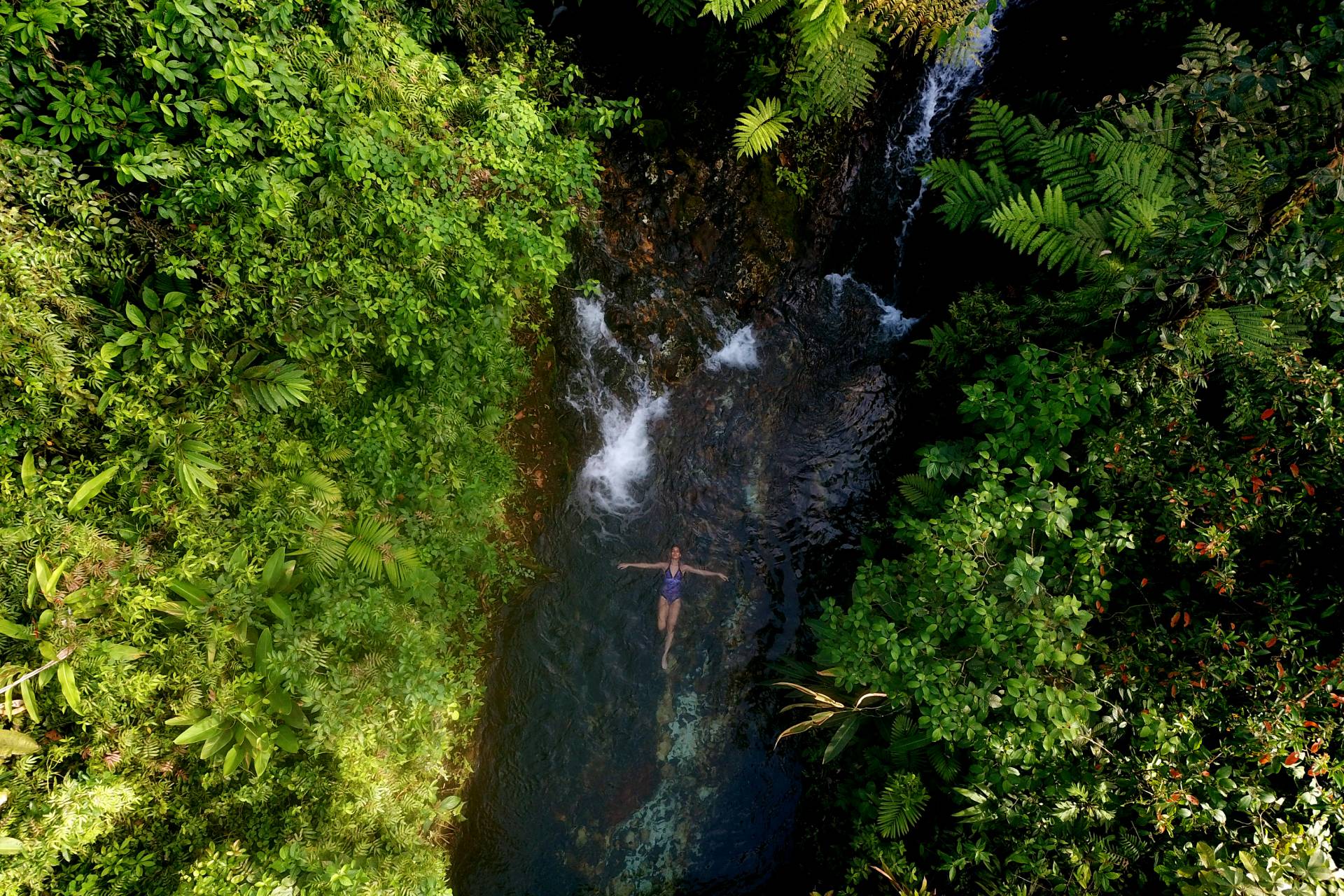

A truly restorative day in nature rarely happens by accident. The difference between coming home refreshed and coming home merely tired often comes down to intention – where you go, how much you schedule, what you leave out, and whether the experience gives your senses space to settle. If you are wondering how to plan a restorative nature day, start by thinking less like a tourist checking off stops and more like a host designing a private retreat.
The most healing nature days are not rushed. They move with a quiet rhythm, balancing gentle movement, beautiful scenery, comfort, and moments of stillness. For travelers in Costa Rica, especially those drawn to rainforest landscapes, waterfalls, thermal waters, and elevated service, restoration is not about doing nothing. It is about choosing the right experiences in the right sequence.
What makes a nature day restorative
Not every day outdoors restores the body and mind in the same way. A packed itinerary with long transfers, crowded viewpoints, loud groups, and uneven logistics can be exciting, but it may not feel deeply renewing. Restoration usually comes from a more thoughtful mix of immersion and ease.
A restorative nature day tends to include sensory beauty, moderate physical activity, privacy, and comfort. You want enough movement to feel present in your body, but not so much that the day becomes a test of endurance. You want meaningful contact with the natural world, but also places to pause, breathe, and absorb it.
This is where setting matters. A preserved rainforest, a quiet trail, a hidden waterfall, or naturally heated pools can each support a different kind of release. Birdsong calms the mind differently than ocean surf. Mineral-rich thermal waters soothe the body differently than a brisk hike. The right plan depends on what you need most.
How to plan a restorative nature day around how you want to feel
Before choosing a destination or activity, decide what restoration means for you. Some travelers need silence after a demanding season of work. Others want reconnection – with a partner, with family, or with themselves. Some are looking for light adventure softened by comfort, while others want a wellness-centered day with very little effort required.
This emotional goal should shape the entire design of the day. If your ideal outcome is calm, avoid overcommitting. If your ideal outcome is reconnection, choose experiences that encourage shared presence rather than constant stimulation. If your ideal outcome is physical renewal, include water, shade, slow walking, and time to rest after movement.
There is also a practical layer. A restorative day can lose its effect quickly if the logistics are stressful. Long drives, unclear timing, poor footwear, intense midday heat, or too many transitions can drain energy before the experience has a chance to nourish it. Luxury, in this context, is not excess. It is thoughtful ease.
Choose one landscape, not five
One of the most common planning mistakes is trying to fit too much into a single day. Travelers often imagine that more variety means more value, but the opposite is often true. Moving between multiple disconnected sites can fragment the experience and keep your attention in transit mode.
A better approach is to choose one primary landscape and let the day unfold within it. In Guanacaste, that could mean a rainforest reserve where waterfalls, wildlife, thermal pools, and wellness elements exist in natural harmony. When the environment itself offers layers of experience, you do not need to chase variety.
This creates a sense of continuity. Your body stays attuned to one atmosphere. Your breathing slows. The day begins to feel less like a tour and more like a retreat. For couples, this often feels more intimate. For families, it creates less friction. For private groups, it offers a more refined shared memory.
Build the day in three gentle phases
When considering how to plan a restorative nature day, it helps to think in phases rather than a list of activities. The first phase is arrival and awakening. This is when you transition out of travel mode and into presence. It may begin with a scenic drive, a welcome drink, a quiet view, or the first shaded walk through the forest. Keep this opening unhurried.
The second phase is immersion. This is the heart of the day – the waterfall swim, the guided trail, the thermal soak, the moment you notice the fragrance of wet earth and the changing light under the canopy. This is where expert guidance can make a substantial difference. A skilled host or naturalist helps you see more, feel more, and move at a pace that deepens the experience rather than rushing it.
The final phase is integration. Many people skip this without realizing it. They finish the main activity and immediately leave, check messages, or move on to dinner elsewhere. A restorative day lasts longer when it closes softly. A nourishing meal, a rest period, a spa-style ritual, or simply time in a lounge with a final view can help the nervous system hold onto the calm it has found.
Comfort is not a luxury add-on
There is a persistent idea that true nature experiences must involve discomfort. For some travelers, that can be part of the appeal. But if your goal is restoration, comfort deserves to be part of the plan from the beginning.
Shade, clean facilities, thoughtful pacing, quality food, places to sit, and access to changing areas all influence how deeply you can relax. So do details such as robes, towels, warm water, and well-designed spaces where you can move from trail to pool to table without feeling disheveled. These elements may seem secondary when booking, yet they often define how the day feels in the body.
This is especially true for travelers celebrating something meaningful – a honeymoon, anniversary, proposal, birthday, or simply time together that is hard to carve out. On those days, friction stands out. Ease feels memorable.
The best restorative plans leave room for weather, mood, and energy
Nature does not perform on command, and that is part of its power. Rain may deepen the scent of the forest and make waterfalls more dramatic. Heat may call for more water and less walking. A family with children may need a slower pace than a couple on a private wellness escape. A traveler recovering from burnout may discover that even a moderate hike feels like too much.
That is why the best plans are structured but flexible. Build around one or two essential experiences, then leave space for adaptation. If the thermal pools become the place where your body finally exhales, stay longer. If the trail is especially beautiful in the morning, shift the meal later. Restoration is rarely improved by sticking rigidly to a schedule.
For this reason, curated private or small-group experiences often feel more restorative than mass excursions. They allow for adjustment, privacy, and a level of attentiveness that changes the quality of the day. Sensoria, for example, is built around this idea – that the rainforest can be experienced as sanctuary, not spectacle.
Small rituals that deepen the experience
You do not need an elaborate wellness program to make the day more meaningful. A few simple rituals can turn a beautiful outing into something that genuinely lingers.
Start the day without urgency. Dress for comfort, bring only what you need, and put your phone away more often than you think you should. Notice the transitions between spaces – sun to shade, path to water, sound to silence. Drink water slowly. Pause before entering a thermal pool or waterfall and let the temperature shift register fully.
Meals matter too. A restorative nature day is supported by food that feels fresh, satisfying, and light enough to keep you at ease. Heavy, rushed dining can dull the very clarity you came to find. If your day includes wine, champagne, or a celebratory element, timing matters. It is usually best enjoyed after the body has already had its deeper contact with water, forest, and movement.
How to know you planned it well
A successful restorative day does not have to be dramatic. Often, its signs are subtle. Conversation becomes easier. The mind grows quieter. The body feels open instead of depleted. Children become more grounded. Couples feel more connected. Even the memory of the day has a different quality – less like a sequence of stops, more like a complete atmosphere.
That is the standard worth aiming for. Not how much you accomplished, but how fully the day allowed you to arrive in yourself and in the landscape around you.
If you are planning time in Costa Rica, choose experiences that honor both beauty and ease. Let the rainforest slow you down. Let the water do some of the work. And give the day enough space to become what you needed, even if you did not know that at the start.