Some wellness choices are easy. Others ask a more personal question: what does your body need most right now? When travelers compare thermal soaking vs spa massage, they are rarely choosing between two simple indulgences. They are choosing between two very different pathways to restoration – one quiet and immersive, the other focused and hands-on.
In a place like Costa Rica, where rainforest air, mineral-rich waters, and slower rhythms naturally soften the nervous system, that choice becomes even more meaningful. The right answer depends on how you want to feel when the experience ends: lighter, looser, calmer, clearer, or deeply held.
Thermal soaking vs spa massage: what sets them apart
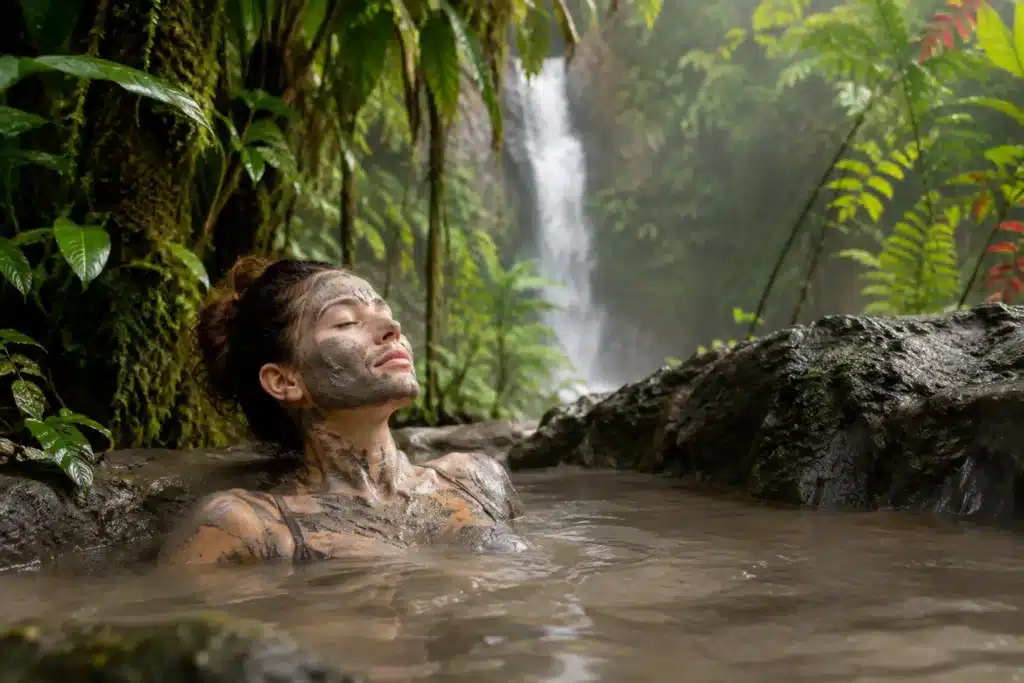
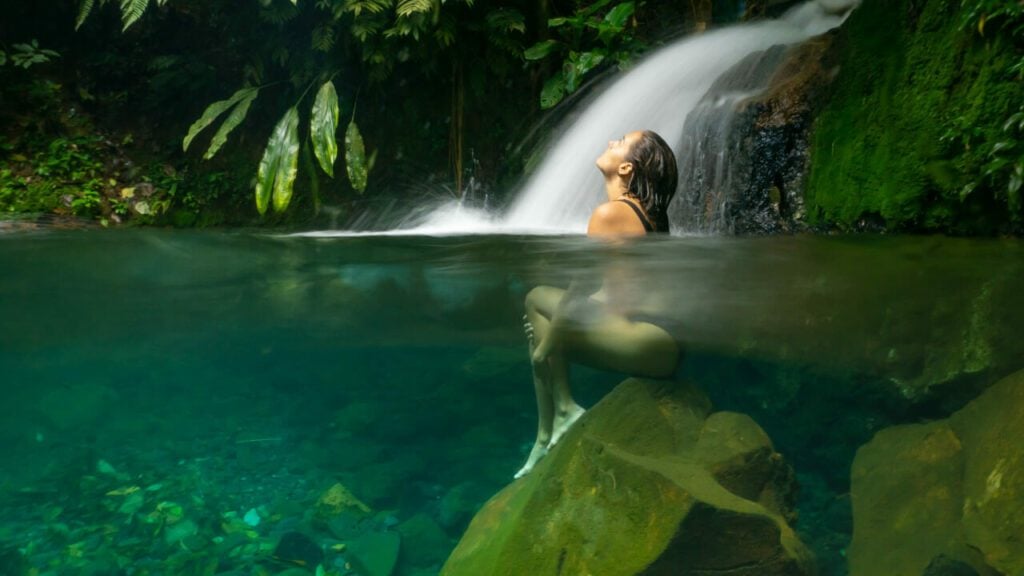
Thermal soaking works through environment. Your body enters warm mineral water and begins to respond almost immediately. Heat encourages circulation, muscles start to release, and the mind often settles without effort. There is very little to do except breathe, float, and let the setting work on you.
Spa massage works through technique. A trained therapist uses pressure, rhythm, and movement to address tension in specific areas of the body. Instead of surrounding you with relief, massage seeks out what is tight, fatigued, or overworked and treats it directly.
Both can feel luxurious, but their effect is not identical. Thermal soaking tends to create a whole-body sense of ease. Spa massage often delivers a more targeted result, especially when the shoulders, lower back, neck, or legs are carrying obvious strain.
That distinction matters for travelers who want more than a pleasant hour. If your goal is meaningful restoration, the best choice is the one that matches your physical state, energy level, and emotional pace.
The case for thermal soaking
Thermal soaking has a rare kind of gentleness. It does not ask your body to respond to pressure or manipulation. Instead, it invites release. For many guests, especially after travel days, long transfers, hikes, or overstimulating itineraries, that softness is exactly the point.
Warm thermal pools can help reduce the sensation of heaviness in the body. The combination of buoyancy and heat often relieves joint stiffness and muscular fatigue with very little effort from the guest. That makes soaking especially appealing for couples, multigenerational travelers, and anyone who wants wellness without intensity.
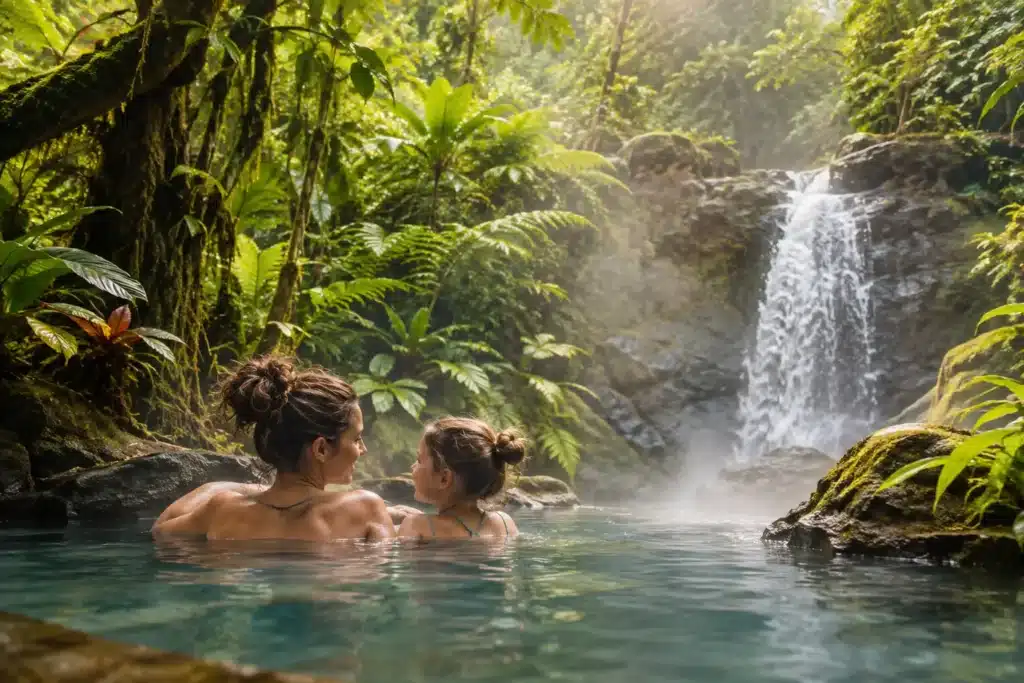
There is also an emotional dimension that should not be overlooked. Thermal water tends to slow conversation, lengthen breaths, and soften mental noise. In a rainforest setting, this effect deepens. Steam rising into green canopy, birdsong replacing traffic, and mineral warmth against the skin create a form of restoration that feels less like treatment and more like return.
For travelers seeking privacy and sensory immersion, thermal soaking often feels more expansive than a standard spa appointment. You are not just receiving care. You are inhabiting a landscape designed by nature itself.
When spa massage is the better choice
There are moments when soaking is lovely, but not enough. If you have a knot beneath the shoulder blade that has followed you across three flights, or calves tightened by hiking, golf, or long car rides, massage can address what water alone may not fully resolve.
A skilled massage therapist can adapt pressure, tempo, and technique to your needs. That makes massage ideal for people with concentrated tension, stress headaches related to muscular tightness, or the desire for a more personalized treatment. It can also be the stronger choice for guests who feel restless in passive experiences and prefer to know that every minute is working toward a clear result.
Massage carries a different kind of intimacy as well. It is focused attention. For some, that feels profoundly restorative. For others, especially those who need time to settle into a new environment, it may feel like too much too soon.
This is where preference matters. Luxury is not always about the most elaborate option. Often, it is about choosing the experience that feels most attuned to your body in the present moment.
Thermal soaking vs spa massage for stress, soreness, and mood
If your main issue is stress, thermal soaking often has the broader effect. The water, warmth, and surrounding atmosphere regulate the body in a quiet, almost instinctive way. It is especially effective for mental fatigue, emotional overload, and the kind of tension that comes from doing too much for too long.
If your main issue is muscular soreness, spa massage usually has the advantage. It can isolate and release specific areas that need deliberate work. Athletically active travelers, or those arriving with chronic tightness, may notice a more immediate change from massage than from soaking alone.
For mood, the answer is more nuanced. Thermal soaking often creates serenity. Massage often creates relief. Serenity is expansive and lingering. Relief is precise and satisfying. Neither is superior in every case.
Travelers on romantic getaways often lean toward soaking because it can be shared, unhurried, and atmospheric. Solo travelers or guests on wellness-focused itineraries may prefer massage if they want individualized attention. Families and mixed-age groups often find thermal pools more flexible, since not everyone wants the same type of bodywork, but warm water can be enjoyed at an easier pace.
Which experience fits a luxury rainforest setting best?
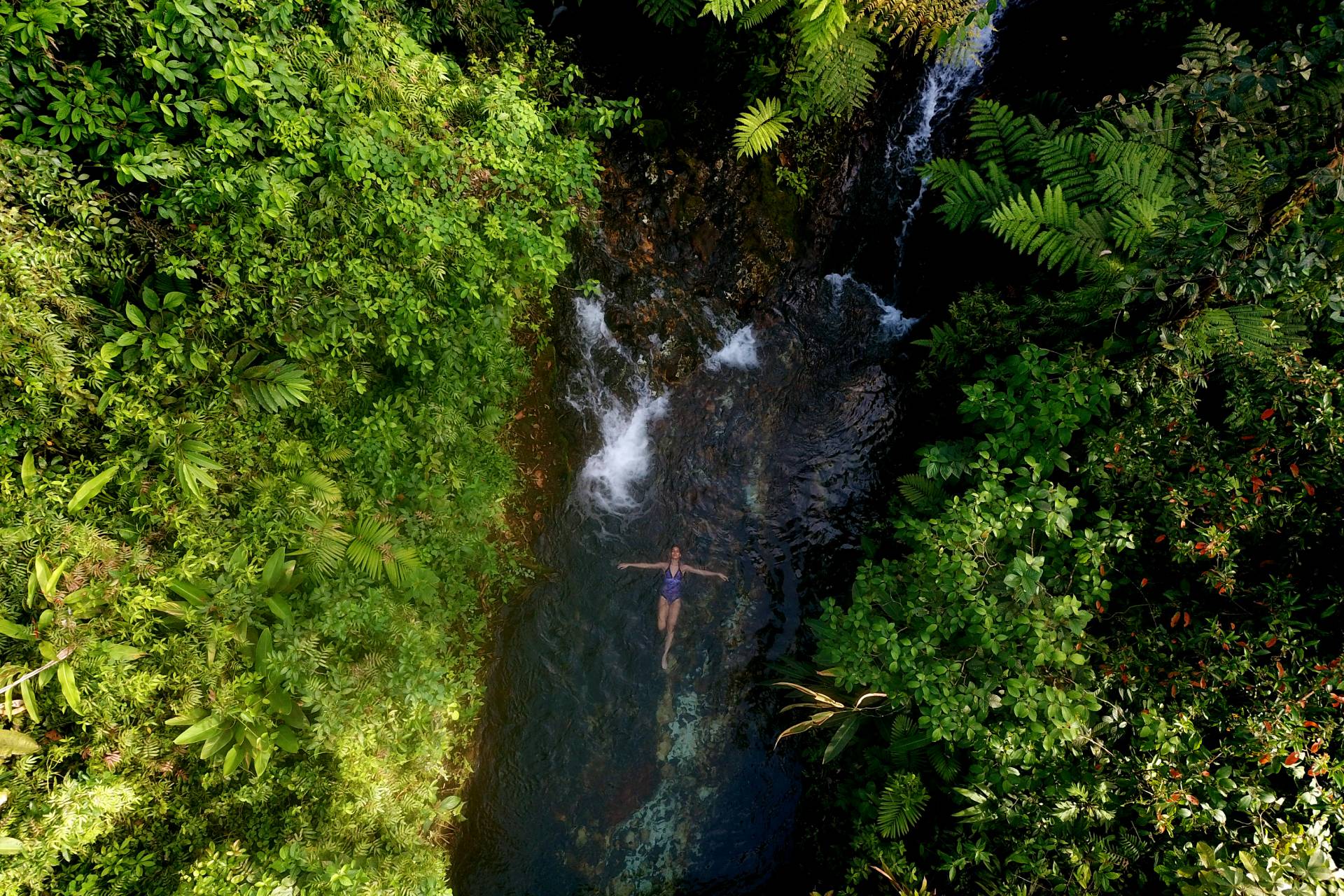
In a refined natural setting, thermal soaking has a particular magic. It allows the landscape to remain central. The water becomes part of the environment rather than a separate service taking place indoors. That continuity matters for guests who come to Costa Rica not only to relax, but to feel changed by nature.
Massage still belongs beautifully in a luxury rainforest itinerary, especially when it follows movement. After a guided walk, a waterfall visit, or a day shaped by sensory exploration, bodywork can feel like the final act of care. It gathers the experience back into the body.
But if the question is which one most fully expresses the union of wellness and place, thermal soaking usually wins. It is immersive in the truest sense. You are not stepping away from the rainforest to recover. You are recovering within it.
That is one reason many discerning travelers are drawn to experiences like Sensoria, where thermal waters are not an afterthought but part of a curated encounter with the reserve itself. The setting changes the quality of the restoration.
Should you choose one or combine both?
For many travelers, the best answer is not thermal soaking vs spa massage as an either-or decision. It is sequence.
Soaking first can prepare the body for massage by warming muscles and quieting the nervous system. Massage first can also work well, especially if the goal is to release concentrated tension before lingering in warm water. Which order feels best depends on whether you want to arrive softened or leave with the final sensation of weightless calm.
If time allows only one, choose based on your dominant need. Choose thermal soaking if you want deep calm, shared relaxation, and a strong connection to the natural setting. Choose spa massage if you want targeted relief, personalized treatment, and a more clinical sense of physical improvement.
If your itinerary has been packed, or if this is the restorative centerpiece of your day, combining both often creates the most complete experience. Heat opens. Touch refines. Together, they can leave the body remarkably quiet.
A few trade-offs worth knowing
Thermal soaking is wonderfully accessible, but it is less precise. It may ease general soreness without fully resolving specific muscular issues. It also depends on your comfort with heat. Some guests prefer shorter sessions, especially in tropical climates.
Massage can be transformative, but it asks for greater vulnerability and clearer communication. Pressure that is too light may disappoint. Pressure that is too firm may leave you feeling worked on rather than restored. The quality of the therapist matters more here than in soaking, where the environment carries much of the experience.
There are practical considerations as well. Guests with certain health concerns, heat sensitivity, or recent injuries may need to be selective. The most elevated wellness experiences make room for this nuance. They do not assume more is always better.
The most memorable form of care is often the one that feels exquisitely timed. A warm pool after a rainforest walk. A massage after travel fatigue. A quiet hour when the body finally stops negotiating with stress and simply lets go.
If you are choosing between thermal soaking and spa massage on a Costa Rica journey, listen less to what sounds more luxurious and more to what feels genuinely restorative. The finest wellness experiences do not impress by excess. They meet you exactly where you are – and leave you more present to where you have arrived.