The difference between a pleasant soak and a truly restorative one often comes down to what happens before you ever step into the water. Thermal pools invite the body to soften, slow down, and release tension, but the experience is most rewarding when you arrive prepared – comfortable, hydrated, and ready to let the setting work on your senses.
If you have been wondering how to prepare for thermal soaking, think of it less as packing for a swim and more as preparing for a wellness ritual in nature. What you eat, what you wear, how you pace your day, and how you listen to your body all shape the experience. In a rainforest setting especially, where warm mineral waters, fresh air, and forest sounds create a deeper sense of calm, thoughtful preparation helps you settle in fully.
Why preparation changes the experience
Thermal soaking feels simple on the surface. You enter warm mineral water, relax, and let heat do its work. Yet the body responds to thermal water in specific ways. Warm temperatures can increase circulation, encourage muscle relaxation, and make you feel profoundly calm, but they can also leave you lightheaded or fatigued if you have not eaten wisely, hydrated well, or given yourself time to adjust.
This is where intention matters. Arriving rushed, dehydrated, sun-drained, or overdressed can pull you out of the very experience you came to enjoy. Arriving prepared allows the transition into the water to feel effortless. Instead of managing discomfort, you are free to notice the steam, the surrounding greenery, the weightless warmth on your skin, and the rare quiet that settles over the body when it finally lets go.
How to prepare for thermal soaking before your visit
Start with hydration. This is the most overlooked part of thermal soaking, especially in warm destinations such as Guanacaste. Because the body continues to perspire in hot water, it is wise to drink water steadily throughout the morning or afternoon before your soak rather than waiting until you feel thirsty. If you have spent time in the sun, on a trail, or traveling by road, this matters even more.
What you eat also affects how you feel in the pools. A very heavy meal right before soaking can leave you sluggish, while arriving on a completely empty stomach may make the heat feel more intense. The ideal middle ground is a light, balanced meal a couple of hours before your visit. Think fresh fruit, lean protein, vegetables, or something easy to digest that leaves you nourished but not overly full.
Clothing should support ease rather than style alone. Choose a swimsuit that feels secure and comfortable enough for moving between pools or walking through garden and forest paths. Many guests prefer a simple cover-up, lightweight change of clothes, and sandals with good grip. In natural settings, elegant preparation often means practical choices made well.
It is also worth considering what not to bring. Jewelry, delicate accessories, and unnecessary electronics can distract from the experience and may not respond well to heat, humidity, or mineral-rich water. Thermal soaking is at its best when it feels unhurried and uncluttered.
What to pack for comfort and ease
A well-packed bag makes the day feel polished from start to finish. Bring a swimsuit, dry undergarments, and a fresh change of clothes so your post-soak transition feels comfortable. A lightweight robe or cover-up can be especially welcome if your experience includes time between pools, treatment areas, or lounge spaces.
You will also want sandals with traction, since poolside stone and natural pathways can be damp. A reusable water bottle is useful for staying hydrated before and after your soak. If you are sensitive to the sun, a hat and light sun protection are smart additions for outdoor movement before entering the thermal area.
Some guests bring a book and never open it. Others bring nothing but a water bottle and are glad they did. That is the quiet beauty of a thermal experience – the less you need to manage, the more present you become.
Timing matters more than most travelers expect
One of the best answers to how to prepare for thermal soaking is to think carefully about timing. If you schedule your visit after a strenuous hike, a long hot transfer, or a day with little rest, the water may feel intense rather than soothing. If you build in space before the soak, even just a calmer morning and a lighter pace, your body receives the warmth differently.
Time of day can influence the mood as well. An early soak may feel cleansing and energizing, while a late afternoon or evening visit often feels more meditative. In a rainforest environment, where shifting light and sound transform the atmosphere hour by hour, the moment you choose can shape the emotional tone of the experience.
Length of stay matters too. More is not always better. Guests sometimes assume they should remain in thermal pools for extended periods to maximize benefits, but the body often responds best to shorter immersions with breaks in between. A measured rhythm – soak, rest, hydrate, cool slightly, and return – tends to feel more restorative than trying to stay in continuously.
Preparing your body for the heat
Heat affects everyone differently. If you are new to thermal waters, begin gently. Enter slowly, allow the body a few minutes to adapt, and notice how you feel. There is no reward for pushing through discomfort. A luxurious thermal experience is not about endurance. It is about attunement.
If you tend to be sensitive to heat, avoid alcohol beforehand and be especially mindful of hydration. If you have low blood pressure, cardiovascular concerns, are pregnant, or are managing a medical condition, it is wise to speak with your physician in advance. Thermal soaking can be deeply beneficial, but wellness is always personal, and the right approach depends on your body.
This is also why pacing matters. Warm mineral water encourages the body to open and soften. That can feel extraordinary, especially if you have been carrying stress, travel fatigue, or muscle tension. But it may also leave you sleepy afterward. If possible, leave room in your day for a slower transition rather than scheduling something demanding immediately after.
How to prepare for thermal soaking as a wellness ritual
The most memorable thermal experiences begin before the water. They begin in the decision to slow down. If you treat the soak as one more item on an itinerary, it will still be pleasant. If you approach it as a ritual of restoration, it becomes something else entirely.
A simple way to do this is to reduce stimulation before you arrive. Spend less time on your phone. Lower the volume of the day. Notice what your body needs. Even a few quiet minutes before entering the pools can shift your state of mind from sightseeing to receiving.
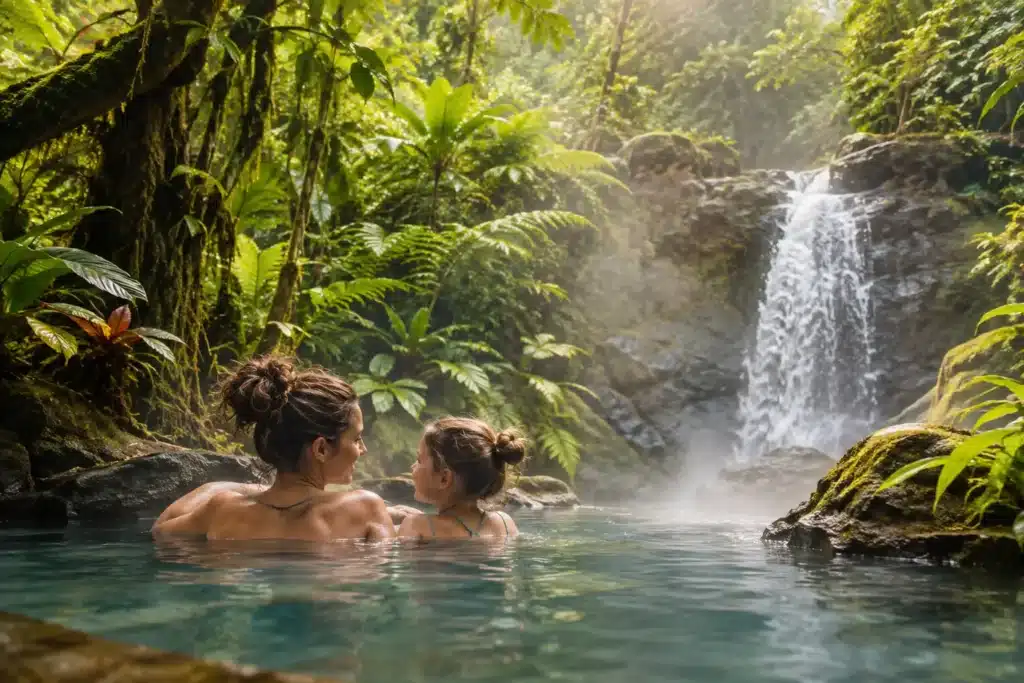
This is especially true in places where thermal waters are part of a wider sensory journey – rainforest trails, waterfalls, birdsong, open air, and spaces designed for privacy and calm. In those settings, the soak is not separate from the landscape. It is part of a sequence that invites the nervous system to settle. Sensoria approaches thermal wellness in this more intentional way, where nature and refinement are meant to work together rather than compete for attention.
After the soak: preserving the feeling
Preparation does not end when you step out of the pool. What you do next can extend the benefits. Dry off slowly, drink water, and let your body cool at its own pace. Many guests find that skin feels softer, muscles feel looser, and breathing feels slower after even a short thermal session. Give that state a little room.
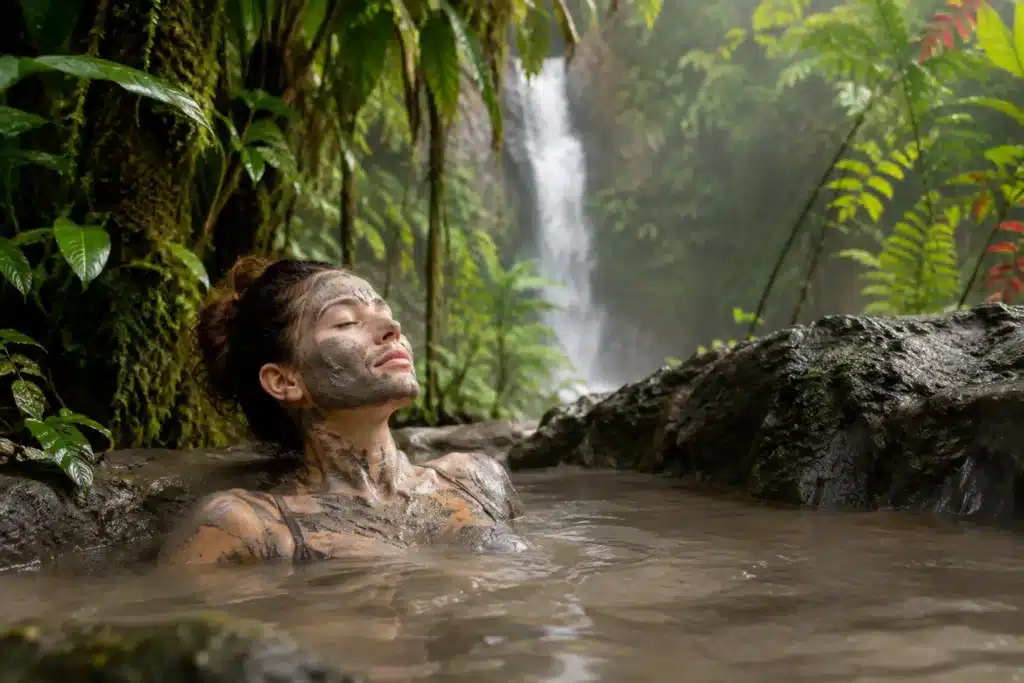
A nourishing meal afterward often feels better than a rich one before. Fresh, clean flavors tend to pair naturally with the calm that follows hot-water immersion. If your experience includes massage, mud treatment, or quiet time in nature, the order of those elements can deepen the sense of renewal.
There is also something to be said for resisting the urge to rush back into noise. Thermal soaking opens a pocket of stillness that modern travel rarely offers. Protecting it, even for an hour or two, can be part of the luxury.
The best preparation is not complicated. Drink water, eat lightly, dress comfortably, pace yourself, and arrive with enough openness to notice what the body has been asking for. Thermal waters do not need much from you, only a little care beforehand and a willingness to slow down once you are there. When you do, the experience tends to meet you with exactly the kind of restoration you hoped to find.