The difference between thermal pools vs hot springs becomes clear the moment you step into each one. One may feel curated, calm, and intentionally designed for long, restorative soaking. The other may feel raw, mineral-rich, and closer to nature in its untamed form. Both can be beautiful. But for travelers seeking a refined wellness experience in Costa Rica, the distinction matters.
Many people use the terms interchangeably, and that is understandable. Both involve naturally heated water, often in volcanic regions, and both are associated with relaxation, healing, and immersion in nature. Yet the experience can vary dramatically depending on whether you are entering a natural spring in its original state or a thermal pool shaped for comfort, privacy, and ease.
Thermal pools vs hot springs: the real difference
At the source, hot springs are naturally occurring bodies of geothermally heated water. Rainwater filters into the earth, warms beneath the surface through volcanic activity, and rises again carrying heat and minerals. In some places, that water flows directly into rivers, rocky basins, or small natural pools with little human intervention.
Thermal pools, by contrast, are usually built or refined spaces that receive naturally heated mineral water. The water itself may come from the same geothermal source as a hot spring, but the environment has been shaped for a more controlled experience. Temperature may be regulated. Access may be safer. The pool may include stonework, seating areas, pathways, changing facilities, spa treatments, or quiet zones that make the visit feel more intentional.
This is why the question is not simply which one is more natural. It is really about what kind of encounter you want with nature. Some travelers want wildness and unpredictability. Others want healing waters without giving up comfort, tranquility, or thoughtful design.
What hot springs feel like in practice
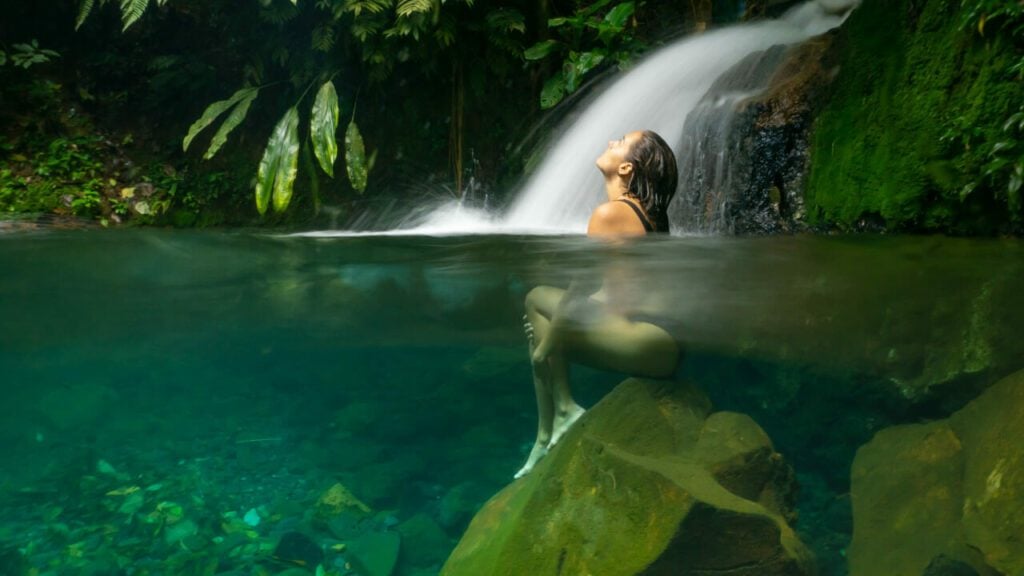
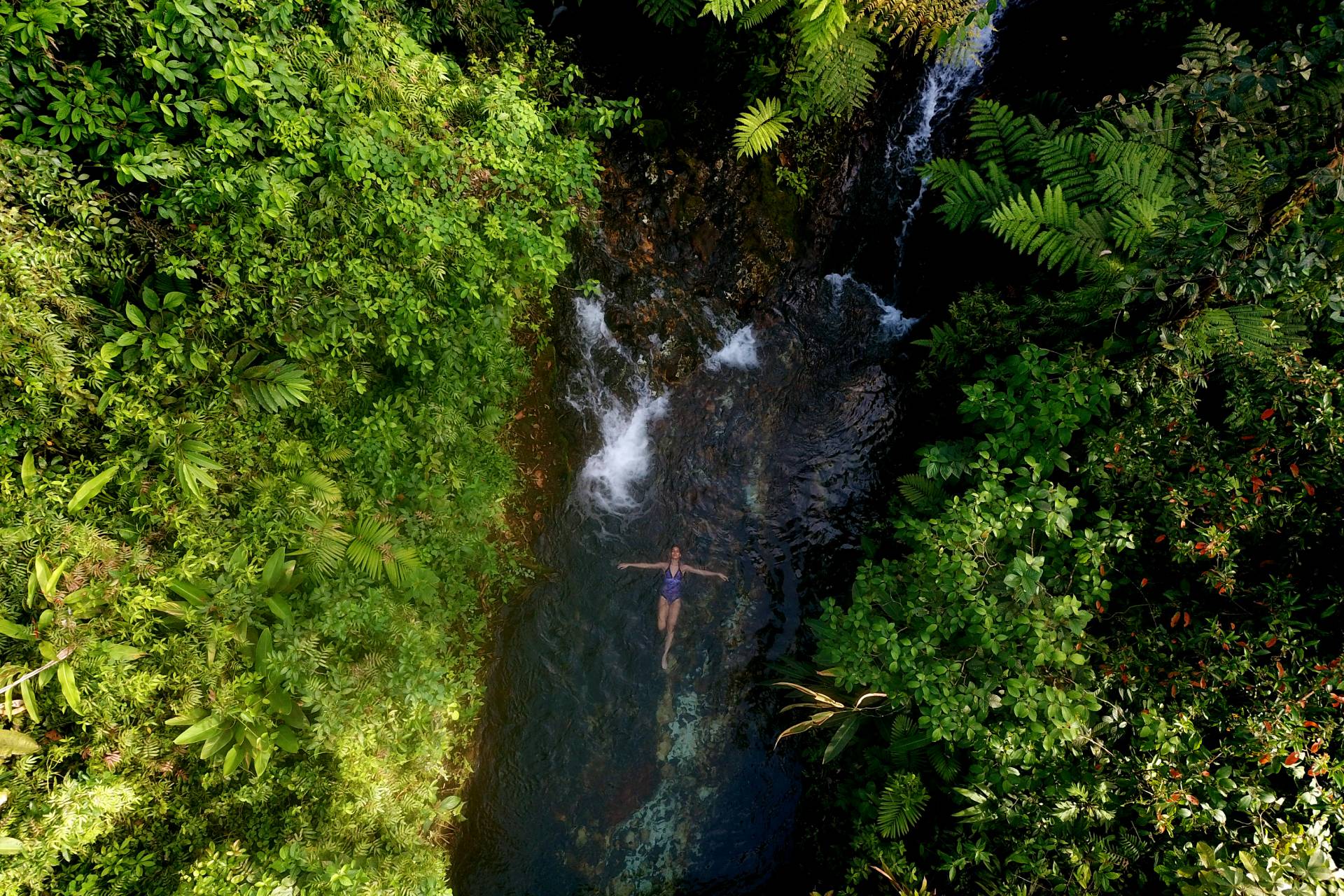
A natural hot spring can be memorable in a very primal way. You may walk through forest or volcanic terrain and arrive at a steaming pocket of water framed by rocks, river sounds, and dense greenery. The appeal is immediate. It can feel secret, elemental, and deeply tied to the landscape.
That said, natural hot springs are not always serene in the way travelers imagine. Temperature can vary from one pocket of water to the next. Surfaces may be slippery or uneven. Some springs are crowded, especially in well-known tourism corridors. Others may have limited amenities, which can be charming if you are in the mood for something rustic, but less appealing if your idea of restoration includes space, privacy, and a slower pace.
There is also the question of how long you want to stay. In a natural setting, a quick soak can be perfect. A half day of wellness, however, often benefits from a more structured environment where your body can move between temperatures, rest comfortably, hydrate, and settle into the experience without distraction.
Why thermal pools often feel more restorative
Thermal pools are often the better choice for travelers who want the benefits of geothermal water in a setting designed for relaxation. That does not make the experience less authentic. If the water is drawn from a natural thermal source, the therapeutic qualities remain. What changes is the way you receive them.
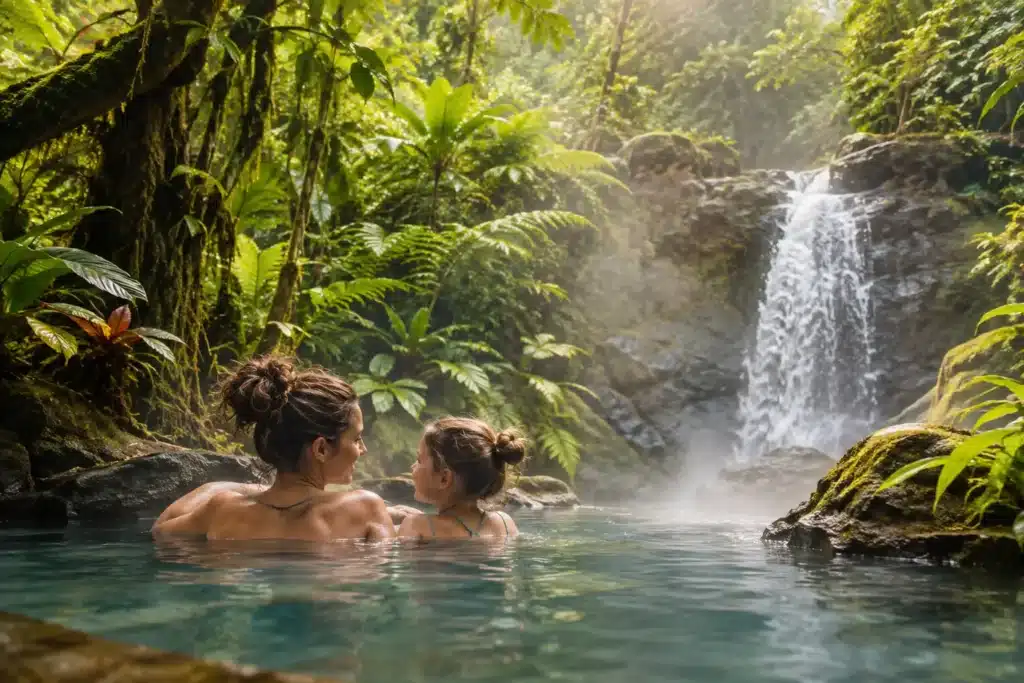
A well-designed thermal pool experience invites you to linger. The setting tends to be quieter. Entry and exit are easier. The water may be kept within a temperature range that feels soothing rather than overwhelming. Surrounding elements such as gardens, rainforest views, lounges, or spa rituals can extend the sense of renewal.
For couples, honeymooners, and private groups, this difference is especially meaningful. Instead of competing with noise, navigating uneven edges, or treating the soak as a brief stop, you can settle into something more refined. The experience becomes less about checking off a landmark and more about allowing the body to soften and the mind to quiet.
Thermal pools vs hot springs for wellness travelers
If your priority is wellness, thermal pools usually offer more consistency. Natural hot springs can contain excellent mineral content, but the experience around them is often unpredictable. Thermal pools make it easier to pair those minerals with intentional rest.
This matters because wellness is not only about the water itself. It is about context. Your nervous system responds to surroundings as much as temperature. Privacy, silence, clean facilities, shaded spaces, and a sense of care all influence whether you leave feeling simply warm or genuinely restored.
Travelers seeking a luxury nature experience often prefer thermal pools for this reason. The environment supports the outcome. You are not just bathing in warm water. You are entering a carefully held atmosphere where the rainforest, the heat, the sounds, and the pacing all work together.
Which is more natural
This is where many comparisons become too simplistic. A hot spring in its untouched state is more natural in appearance, certainly. But a thermal pool fed by natural geothermal waters is not artificial in the sense that many people assume. The source can still be volcanic, mineral-rich, and deeply connected to the land.
The more useful question is how much intervention feels right for your trip. If you love adventurous travel and do not mind rough edges, a natural hot spring can be deeply rewarding. If you are celebrating, recovering from a demanding itinerary, or choosing experiences based on comfort and quality, a thermal pool may feel more aligned.
Nature does not lose its power when it is respectfully curated. In the best settings, it becomes more accessible without becoming diluted.
The Costa Rica factor
In Costa Rica, especially in volcanic regions, both hot springs and thermal pools are part of the travel landscape. But not every experience is equal. Some are built for volume. Others are designed around privacy, sensory immersion, and a stronger connection to the surrounding ecosystem.
That distinction matters in Guanacaste, where travelers often want more than a quick stop between beach days. They are looking for a meaningful shift in pace. A rainforest thermal experience can offer that shift beautifully when it combines healing water with guided nature access, thoughtful service, and a setting that feels protected rather than commercial.
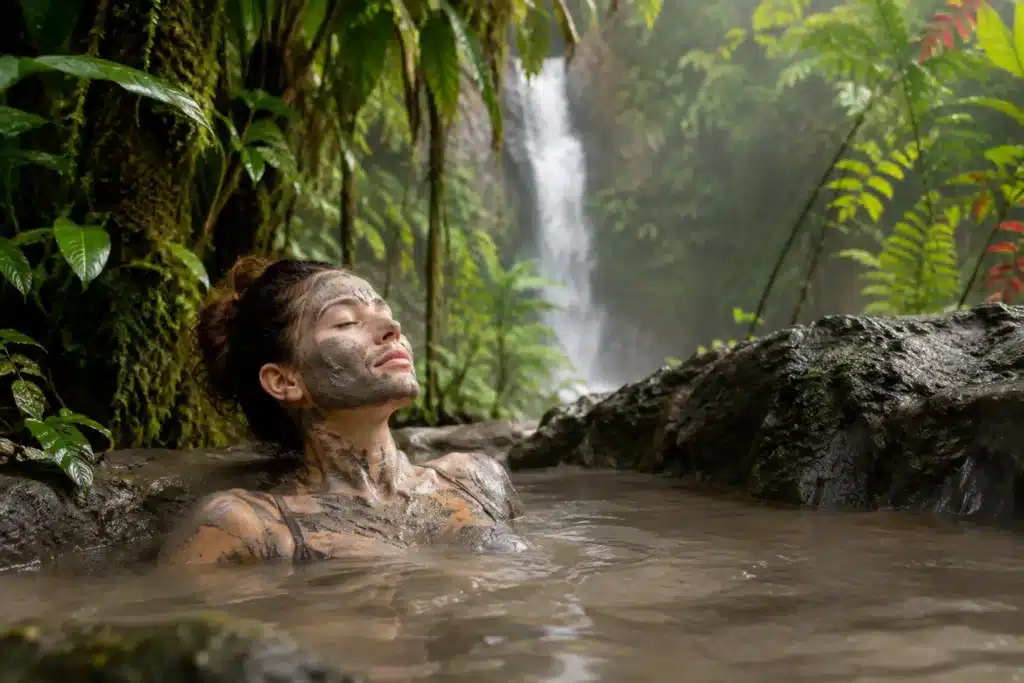
This is why premium travelers often gravitate toward places where thermal waters are part of a larger experience rather than the only attraction. A forest walk, waterfalls, mineral pools, mud treatments, and elevated dining can transform a soak into a full day of restoration. At Sensoria, that philosophy is central – thermal water is not treated as a novelty, but as one element in a carefully composed journey through the rainforest.
How to choose between thermal pools and hot springs
The best choice depends on the kind of memory you want to make. If you are traveling with children, older family members, or anyone who values easy access and comfort, thermal pools are usually the more relaxed option. If you are after a spontaneous, earthy, more rugged encounter, natural hot springs may be exactly right.
It also depends on your season of travel. After long flights, packed itineraries, or celebratory occasions, many guests appreciate experiences that remove friction rather than add to it. Luxury is not always about extravagance. Often, it is simply the absence of strain.
Ask yourself a few honest questions. Do you want wild scenery or a polished sanctuary? A brief soak or a lingering ritual? Shared public energy or a quieter atmosphere? Neither choice is universally better. But one may fit your mood, your travel style, and your expectations far more closely.
The experience you remember most
People rarely remember thermal waters only for their temperature. They remember how the place made them feel. The hush of the forest. The softness that comes after heat settles into tired muscles. The sense that time slowed down for a while.
That is why the debate around thermal pools vs hot springs is worth having. It is not a technical comparison. It is a question of ambiance, intention, and care. One experience may give you a wonderful story. The other may give you a deeper exhale.
If your idea of travel includes both natural beauty and genuine restoration, choose the setting that lets you receive the moment fully. The water may begin underground, but what stays with you is everything that surrounds it.