A Costa Rican rainforest day can begin beneath a clear Guanacaste sky, turn to warm rain by midday, and end in mineral-rich thermal waters beneath a canopy alive with birdsong. Knowing how to pack for rainforest conditions means preparing for all of it without arriving burdened by an oversized bag. The aim is not to bring more. It is to bring considered layers and purposeful essentials that let you stay present for the experience.
For a refined day in the forest, comfort is part of the luxury. Dry feet, sun protection, a change of clothes, and a dry place for a phone can make the difference between merely managing the weather and fully receiving the sensory richness of the landscape.
How to Pack for Rainforest Weather
Rainforest weather is not simply wet. It is warm, humid, changeable, and often brighter than travelers expect. A sudden shower may pass quickly, while the moisture held beneath the canopy can linger through the day. Dress for movement, ventilation, and the possibility that one layer may become wet.
Start with lightweight clothing that dries quickly. Athletic or technical fabrics are usually more comfortable than heavy cotton, which can stay damp and feel cool against the skin after rain. A breathable long-sleeve shirt offers useful protection from sun, foliage, and insects, especially on shaded trails where exposed shoulders are not always the most comfortable choice. Pair it with quick-dry shorts, leggings, or lightweight hiking pants, depending on your preference and the activity level of the day.
A light waterproof shell is more useful than a thick raincoat in Costa Rica’s tropical warmth. Look for one that can be folded into a small pouch and has a hood. It should protect you during a shower without trapping too much heat when the trail becomes humid. A compact poncho can work well, too, although it is less practical on narrow paths or when taking photographs.
Bring a dry layer for the return journey. A soft shirt, light dress, or fresh pair of shorts can feel wonderfully restorative after waterfalls, thermal pools, or a rain-soaked walk. Place it in a waterproof packing cube or a simple resealable bag inside your daypack. This small act of preparation gives the end of the day an unhurried, polished feeling.
Choose Footwear for Water, Mud, and Uneven Trails
Footwear deserves more thought than almost any other item in your bag. Rainforest paths can include packed earth, roots, stone steps, shallow water crossings, and mud after rainfall. The right shoes help you move with confidence while allowing you to notice the small details that make the forest extraordinary: the scent of wet leaves, a jewel-toned frog beside the path, or the distant sound of a waterfall.
Closed-toe trail shoes or lightweight hiking shoes with reliable grip are an excellent choice for most guests. They should be well worn before your trip, with tread that can handle wet surfaces. Avoid bringing brand-new hiking boots for a one-day experience. Stiff footwear and unexpected blisters are poor companions in a humid climate.
Water shoes or secure sport sandals can be worthwhile if your itinerary includes time near waterfalls or in thermal pools. Choose a pair with straps and a textured sole rather than loose flip-flops, which offer little stability on wet ground. Many travelers enjoy carrying both trail shoes and water footwear, but it depends on the planned experience and how much you want to carry. If you prefer to pack light, trail shoes plus a pair of sandals for afterward are often enough.
Do not overlook socks. Two pairs of moisture-wicking socks take almost no room and offer an immediate reset if the first pair becomes damp. Wool blends may sound surprising in tropical weather, but thin merino socks can regulate moisture and reduce friction remarkably well. Cotton socks are best left for the hotel.
Protect What Cannot Get Wet
The rainforest invites you close to water, so assume that rain, mist, and splashes will eventually find their way into an unprotected bag. A small waterproof daypack is ideal, though a regular quality backpack with a rain cover can also work. The goal is simple: keep your essentials dry without carrying a heavy expedition pack.
Your phone, camera, wallet, and any necessary medication deserve a second layer of protection inside a waterproof pouch. A clear phone pouch is especially useful around waterfalls, where you may want photographs without exposing your device to spray. If you carry a camera, bring only the lens you expect to use. Changing lenses in humid, misty conditions is rarely worth the risk or interruption.
A power bank can be useful for a full day of photos and travel coordination, but place it in the same dry pouch as your electronics. Keep travel documents and valuables to a minimum. The finest rainforest day is one spent looking up, not checking repeatedly for possessions.
Pack for Sun and Insects With Intention
The canopy creates shade, but not constant protection from ultraviolet exposure. Open viewpoints, waterfall areas, and transportation segments can be intensely sunny. Apply a broad-spectrum sunscreen before departure, then carry a travel-size bottle for reapplication. A brimmed hat or cap is valuable, particularly for guests with sensitive scalps or those planning to spend time in open thermal pools.
Insect repellent is another sensible addition. Choose a product that suits your skin and follow local guidance for use, especially when swimming or entering natural water environments. Long, breathable layers can reduce the need for frequent reapplication while providing gentle protection from vegetation and insects.
Sunglasses are useful during travel and at open viewpoints, but a sturdy case matters. Humidity and active trails are not kind to delicate frames tucked loosely into a pocket. If you wear prescription glasses, a retention strap can be a discreet, practical safeguard near waterfalls.
What to Bring for Waterfalls and Thermal Pools
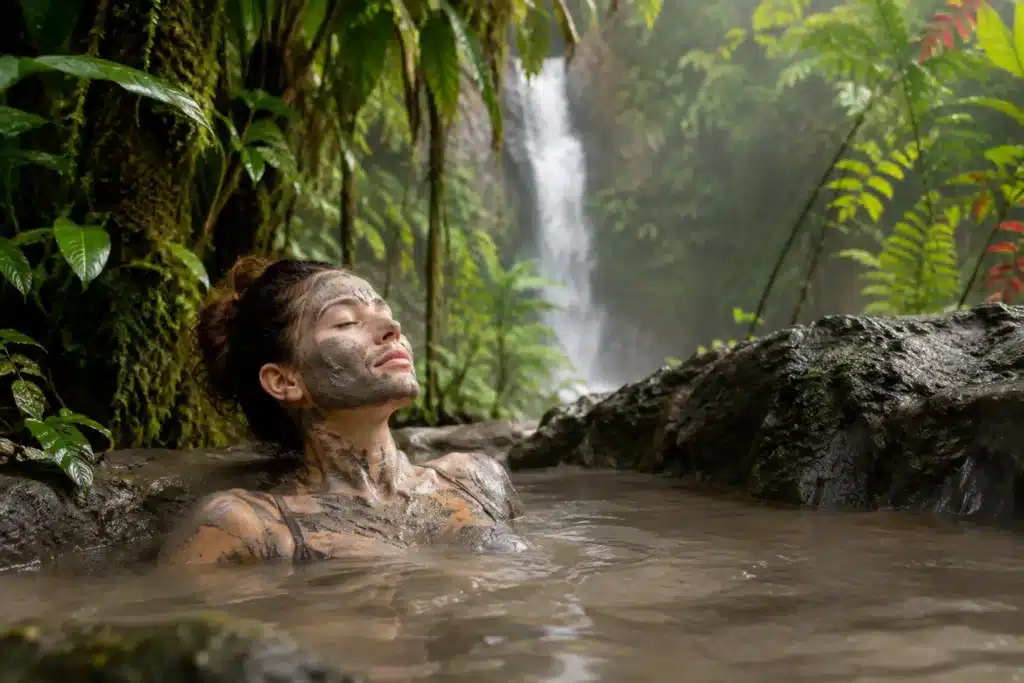
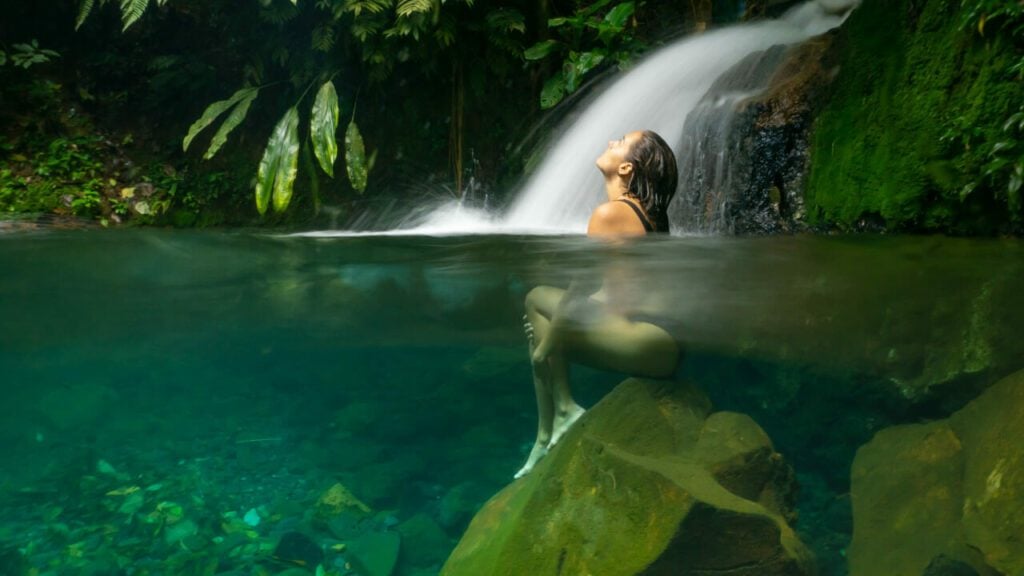
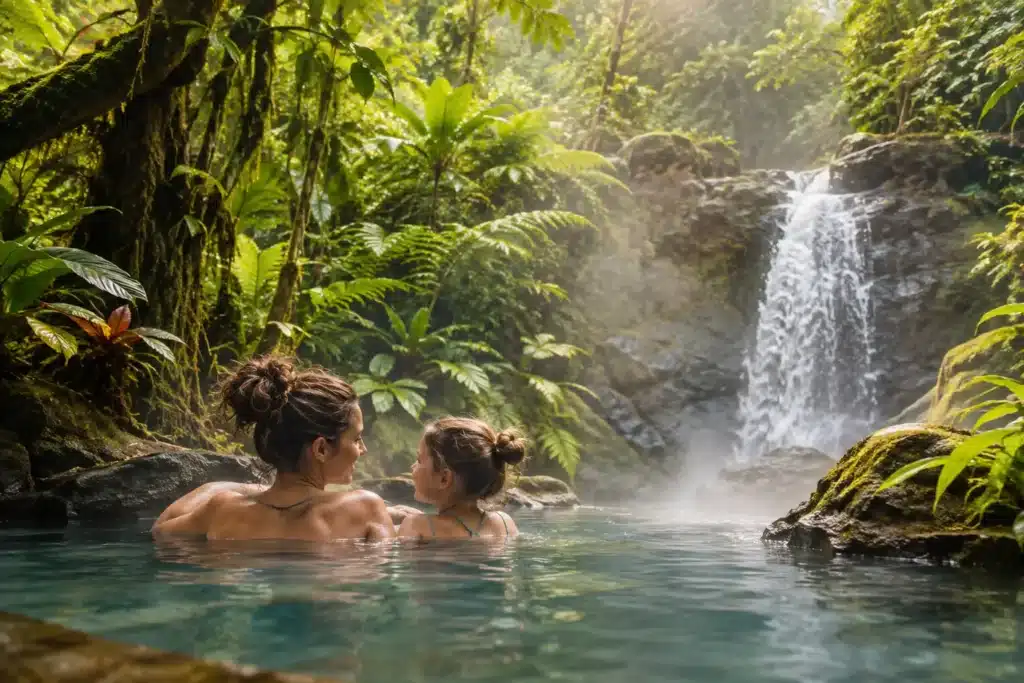
Water is woven into the Costa Rican rainforest experience, whether it appears as mist on the leaves, a hidden cascade, or the restorative warmth of volcanic thermal pools. A thoughtfully packed swim kit lets you enjoy these moments without rushing.
Wear your swimsuit beneath your trail clothes if the schedule allows, or pack it in a separate waterproof pouch for an easy change. Bring a lightweight cover-up, dry undergarments, and a compact microfiber towel if towels are not provided as part of your experience. A microfiber towel dries faster than a traditional cotton one and occupies very little space.
For a more elevated day, consider the details that support relaxation afterward: a hair tie, lip balm, a small moisturizer, and comfortable sandals. These are not necessities for the trail, but they can make the transition from rainforest exploration to a quiet meal or a restorative soak feel more effortless. At an experience such as Sensoria, where rainforest trails and healing thermal waters are part of one curated rhythm, a change of clothing is especially welcome.
Keep Your Daypack Light and Balanced
Overpacking is one of the easiest ways to dilute a rainforest experience. A large bag changes how you walk, makes it harder to access what you need, and can leave you more focused on your shoulders than your surroundings. For most guided day experiences, a compact daypack is sufficient.
Think in terms of a few carefully chosen categories: water, weather protection, dry clothing, personal care, and waterproofed valuables. Refillable water bottles are preferable to single-use plastic, though you should follow the guidance of your host regarding water availability and where bottles can be refilled. A small snack may be useful for travel time, but there is no need to pack a full picnic when dining is included in your day.
Leave umbrellas, bulky denim, heavy cosmetics, hard-sided coolers, and excessive jewelry at your accommodation. Jewelry can snag, become uncomfortable in humidity, or simply distract from the easy, natural elegance of the setting. Choose one simple accessory if you wish, then let the forest provide the atmosphere.
The Night Before: Prepare for an Unhurried Departure
Lay out your trail outfit, swimsuit, footwear, and dry return clothes the evening before. Charge your phone and camera, refill your water bottle if appropriate, and apply sunscreen after breakfast rather than waiting until the trailhead. This preparation creates space for a calmer departure, particularly for couples, families, and private groups coordinating several people.
Check the forecast, but do not let a rain symbol discourage you. In a rainforest, rain is not necessarily a disruption. It deepens the colors, intensifies the fragrance of the earth, and gives waterfalls their fullest voice. The practical response is not to plan around it, but to pack so it can become part of the memory.
Pack lightly, dress thoughtfully, and allow room for the unexpected. A rainforest day is most rewarding when you can step into warm rain, follow the sound of falling water, and enter the thermal pools with nothing left to manage except the pleasure of being there.