The rainforest announces itself before the trail begins: warm air carrying the scent of wet earth, a chorus of insects beneath the canopy, water moving somewhere beyond the ferns. A guide to tropical trail safety begins with honoring that atmosphere without underestimating it. Costa Rica’s wild landscapes are generous, restorative, and alive with changing conditions. They reward travelers who arrive prepared, move deliberately, and allow expert local knowledge to set the pace.
A tropical walk need not feel rugged to be real. The most memorable experiences often come from the confidence to pause beside a waterfall, notice a blue morpho in flight, or settle into thermal waters after a thoughtful day outdoors. Safety creates that ease.
Start With the Right Expectations
Tropical trails are different from dry, temperate paths. Rain can transform firm ground into slick clay in minutes. Humidity raises the physical effort of even a gentle incline. Tree roots, volcanic rock, stream crossings, and dense vegetation ask for more attention than a paved resort path.
This does not mean every rainforest experience requires elite fitness. It means the route should suit the traveler. Families with younger children, guests recovering from an injury, and those unaccustomed to heat should choose a guided experience with clear information about distance, elevation, terrain, and available rest points. A shorter trail through a private reserve can offer extraordinary biodiversity without asking guests to push beyond their comfort.
Be honest about how you feel that morning. Fatigue from a long flight, a late dinner, dehydration, or unfamiliar heat can change what feels manageable. A refined day in nature leaves room for adjustment. There is no prize for reaching a viewpoint at the expense of your well-being.
Dress for Movement, Rain, and Water
In the tropics, comfort is practical rather than decorative. Lightweight, breathable clothing helps your body regulate heat, while long sleeves or pants can offer welcome protection from sun, brush, and insects. Fabrics that dry quickly are far more useful than heavy cotton, which stays damp and can become uncomfortable after rain or a swim.
Footwear deserves special consideration. Closed-toe hiking shoes or trail shoes with dependable grip are the best choice for most rainforest walks. Water shoes may be appropriate for designated river or waterfall areas, but they rarely provide enough traction or ankle stability for uneven trails. New shoes can be a mistake if they have not been worn in – a broken-in pair is usually kinder to your feet.
Bring a light rain layer, even when the sky appears clear. In Guanacaste, conditions can shift between bright sun and a cooling downpour with little warning, particularly during the green season. A small dry bag or waterproof pouch protects a phone, camera, medication, and a change of clothes. If your day includes thermal pools, pack swimwear and avoid walking the trail in loose sandals or flip-flops.
Hydrate Before You Feel Thirsty
The tropical climate can disguise dehydration. You may be captivated by the scenery, cooled by shade, or moving at a relaxed pace, yet your body is still losing fluid through heat and humidity. Begin drinking water before the walk starts, take small sips throughout the day, and replenish after time in thermal water.
For longer or warmer excursions, electrolytes can be useful, especially for guests who perspire heavily or are not accustomed to humid conditions. Avoid treating coffee, alcohol, or sweet drinks as substitutes for water. Enjoy them as part of the pleasure of the day, but give hydration its own attention.
Heat exhaustion often begins quietly: headache, unusual fatigue, nausea, dizziness, muscle cramps, or a sense that the heat has suddenly become overwhelming. Tell your guide at the first sign. Resting in shade, cooling down, and drinking fluids early is far wiser than trying to continue through discomfort.
Let Your Guide Set the Rhythm
A trained guide offers much more than directions. They read the ground after rainfall, recognize which plants should not be touched, know where wildlife is likely to appear, and understand when a trail or water feature is no longer suitable for entry. Their presence turns a beautiful walk into an informed encounter with the forest.
Stay within sight and hearing distance, particularly at trail junctions, near water, or when stopping to photograph wildlife. It is easy for a small group to spread out when everyone is drawn to a different sound or view. If you need a slower pace, a restroom break, or a moment to rest, say so. Good guiding is responsive, not rushed.
At Sensoria, the experience of a private rainforest reserve is designed around this balance: deep immersion with attentive stewardship. The most luxurious detail is often not an extravagant object, but the quiet assurance that someone knowledgeable is watching the weather, the path, and the well-being of every guest.
Waterfalls and Thermal Pools Require Their Own Caution
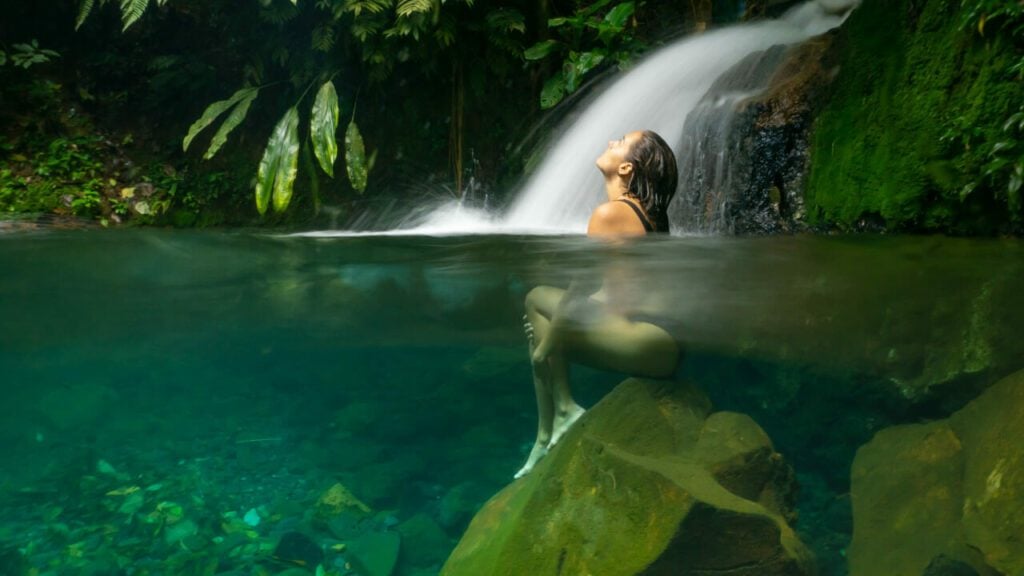
Water is one of the rainforest’s greatest pleasures, but it changes the rules underfoot. Never assume that a shallow stream is harmless or that a familiar swimming area is safe after rain. Water levels can rise quickly upstream, rocks develop a nearly invisible slippery film, and currents can be stronger than they appear.
Enter only designated areas, follow guidance about where to stand or swim, and avoid climbing beside waterfalls for a better photograph. The view is never worth a fall. Keep children within arm’s reach in moving water, even if they are confident swimmers.
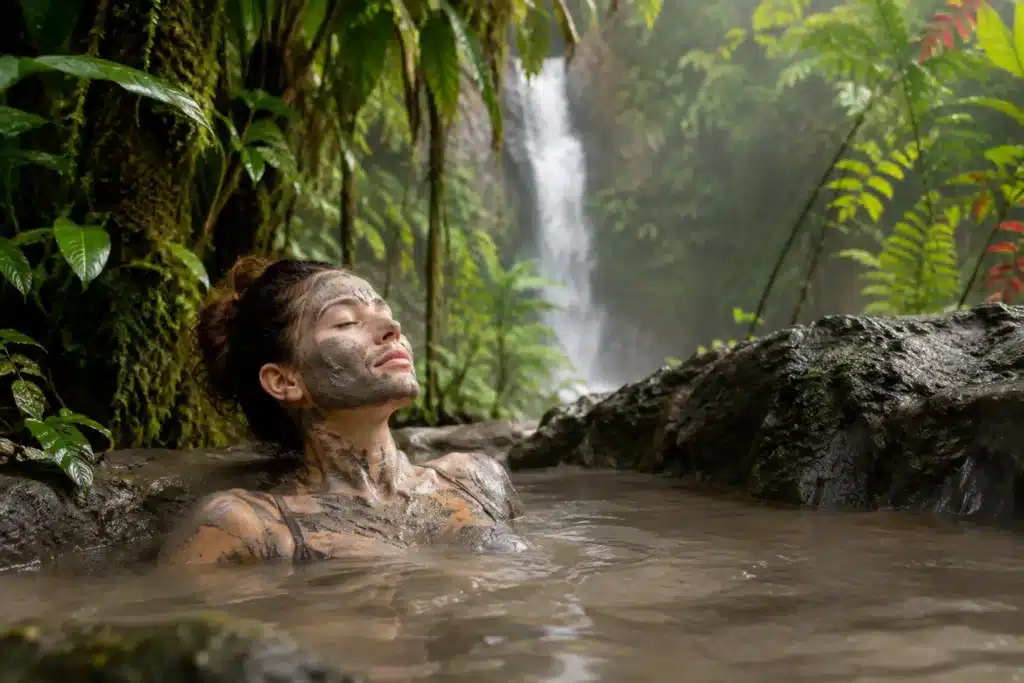
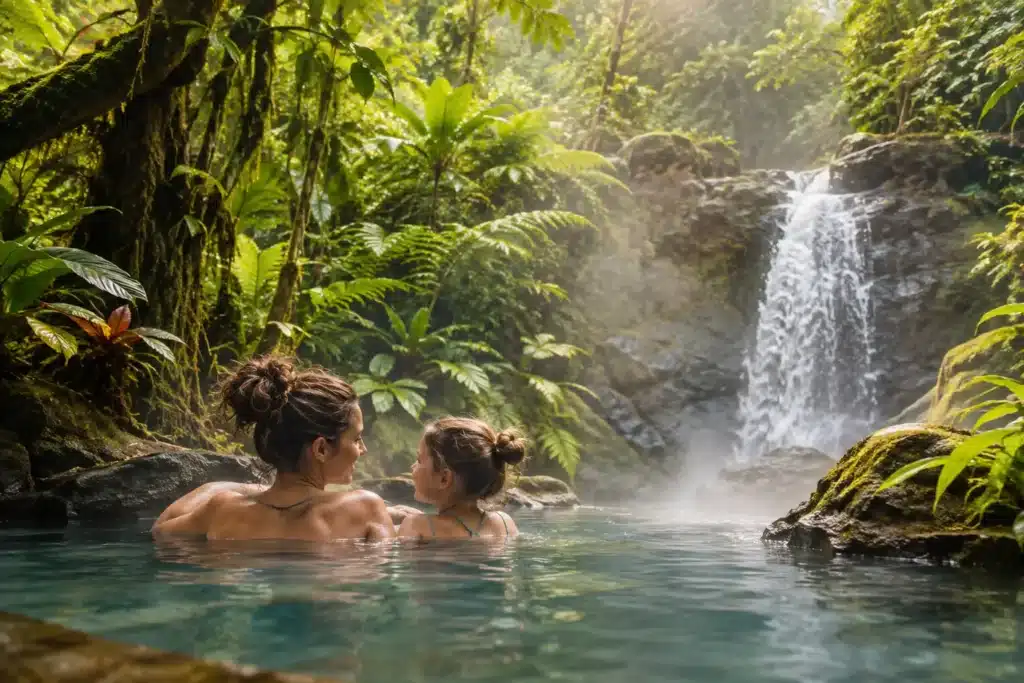
Thermal pools call for a gentler form of awareness. Their warmth can be deeply soothing, yet long exposure may lower blood pressure and intensify dehydration. Ease in gradually, drink water, and step out if you feel lightheaded, overheated, or unusually tired. Guests who are pregnant or managing heart, circulation, or blood pressure conditions should seek personalized medical advice before using hot pools.
Give Wildlife Room to Remain Wild
A rainforest is not a zoo, and that distinction is part of its wonder. Monkeys, coatis, snakes, frogs, insects, and birds should be observed without touching, feeding, calling to, or crowding them. Even a seemingly calm animal can react unpredictably when it feels cornered or when food is involved.
Keep hands away from tree trunks, holes, leaf piles, and branches unless your guide has indicated it is safe. Many small tropical species rely on camouflage, and some insects or plants can cause irritation when disturbed. If you see a snake, stop where you are, alert the guide, and allow space for it to move away. Do not attempt to identify it from close range.
Insect repellent can make the day more comfortable, but use it thoughtfully. Apply it before entering the trail and follow the product directions. If you plan to swim in natural water, ask your host about appropriate timing and products, since preserving sensitive aquatic habitats matters as much as personal comfort.
Know What to Carry and What to Leave Behind
A daypack should feel light enough that it does not alter your balance. Carry water, rain protection, sunscreen, insect repellent, any essential medication, and a fully charged phone stored in a dry pouch. A small snack may be useful on longer trails, though food should remain packed away when not being eaten.
Leave unnecessary valuables behind. Dangling jewelry, unsecured cameras, and bulky bags can distract from footing and are inconvenient around water. If you bring a camera, use a strap. If you bring a phone, pause completely before taking a photo. A single root or wet stone can be easy to miss when your attention is on the screen.
For a remote reserve or a more secluded itinerary, ask in advance about facilities, weather plans, transport timing, and communication coverage. Preparedness is not anxiety. It is the quiet foundation that allows a rare setting to feel expansive rather than uncertain.
Respect the Trail as Part of the Experience
Staying on marked paths protects both guests and the forest. A shortcut can damage fragile plants, erode soil, disturb habitat, or lead into terrain that has not been assessed for safe passage. It can also bring a traveler closer to thorny vegetation, unstable ground, or wildlife that would prefer not to be surprised.
Move slowly enough to see where you place each foot. Use railings where provided, keep three points of contact on steep steps, and avoid walking too closely behind another person on slippery sections. In rain, shorten your stride and accept a slower pace. The forest is not diminished when seen gradually; often, its finest details emerge only when you do not hurry.
The purpose of tropical trail safety is not to place distance between you and nature. It is to make closeness possible with respect. When the air turns fragrant after rain and the path leads toward water, let preparation fade into the background. What remains is the rare privilege of being fully present in a living rainforest.