Some rainforest outings leave you with a few photos and muddy shoes. The right one leaves you quieter, clearer, and fully awake to where you are. If you are wondering how to plan a sensory rainforest daytrip, the difference is rarely distance or luck. It comes down to intention – how you choose the setting, the pace, the comfort level, and the way you want to feel by the end of the day.
A sensory daytrip is not built around checking off landmarks. It is designed around immersion. You notice the shift in temperature as the canopy thickens, the mineral scent rising near thermal waters, the layered sound of birds, insects, and falling water, the texture of stone underfoot, and the calm that arrives when you are not being rushed from stop to stop. For travelers coming to Guanacaste, that distinction matters. A day in the rainforest can feel restorative and private, or busy and fragmented. Planning well determines which version you get.
What makes a sensory rainforest daytrip different
A standard nature excursion often prioritizes coverage. The itinerary is built to fit in several stops, move large groups efficiently, and keep logistics simple. That can work for some travelers, especially those who want a fast overview. But if your goal is a deeper encounter with Costa Rica’s rainforest, a sensory approach asks for something else.
It favors places where the environment can actually be experienced, not just observed. That means protected landscapes, quieter trails, guides who interpret what you are hearing and seeing, and enough time to let the surroundings settle into your nervous system. Luxury also plays a different role here. It is not about excess. It is about space, privacy, comfort, and thoughtful details that allow you to stay present rather than distracted by heat, timing, or physical strain.
This is especially relevant for couples, wellness-minded travelers, and families who want more than a quick outing between other plans. The rainforest can be exhilarating, but it can also be healing when the day is curated with care.
How to plan a sensory rainforest daytrip around feeling, not just sights
Start with the outcome you want. Do you want to feel energized by waterfalls and trail exploration, soothed by thermal pools, reconnected as a couple, or gently introduced to the rainforest as a family? Those are different daytrips, even if they happen in the same region.
Many travelers make the mistake of choosing by headline attraction alone. A waterfall photo may look spectacular, but the full experience could involve crowded access points, long waits, uneven service, or a pace that feels more athletic than restorative. On the other hand, a private reserve with curated access may appear quieter on paper while delivering far more emotional depth. It depends on whether you want spectacle or sanctuary.
When planning, ask yourself three simple questions. How active do you want the day to be? How private do you want it to feel? And how much comfort matters to you while moving through a tropical environment? These answers shape every good decision that follows.
Choose the right setting in Guanacaste
Not all rainforest experiences in Guanacaste offer the same sensory richness. Some tours focus on transport efficiency and broad appeal. Others are built around preservation, interpretation, and calm. If you are seeking an elevated daytrip, prioritize a setting with protected trails, varied terrain, natural water features, and limited visitor volume.
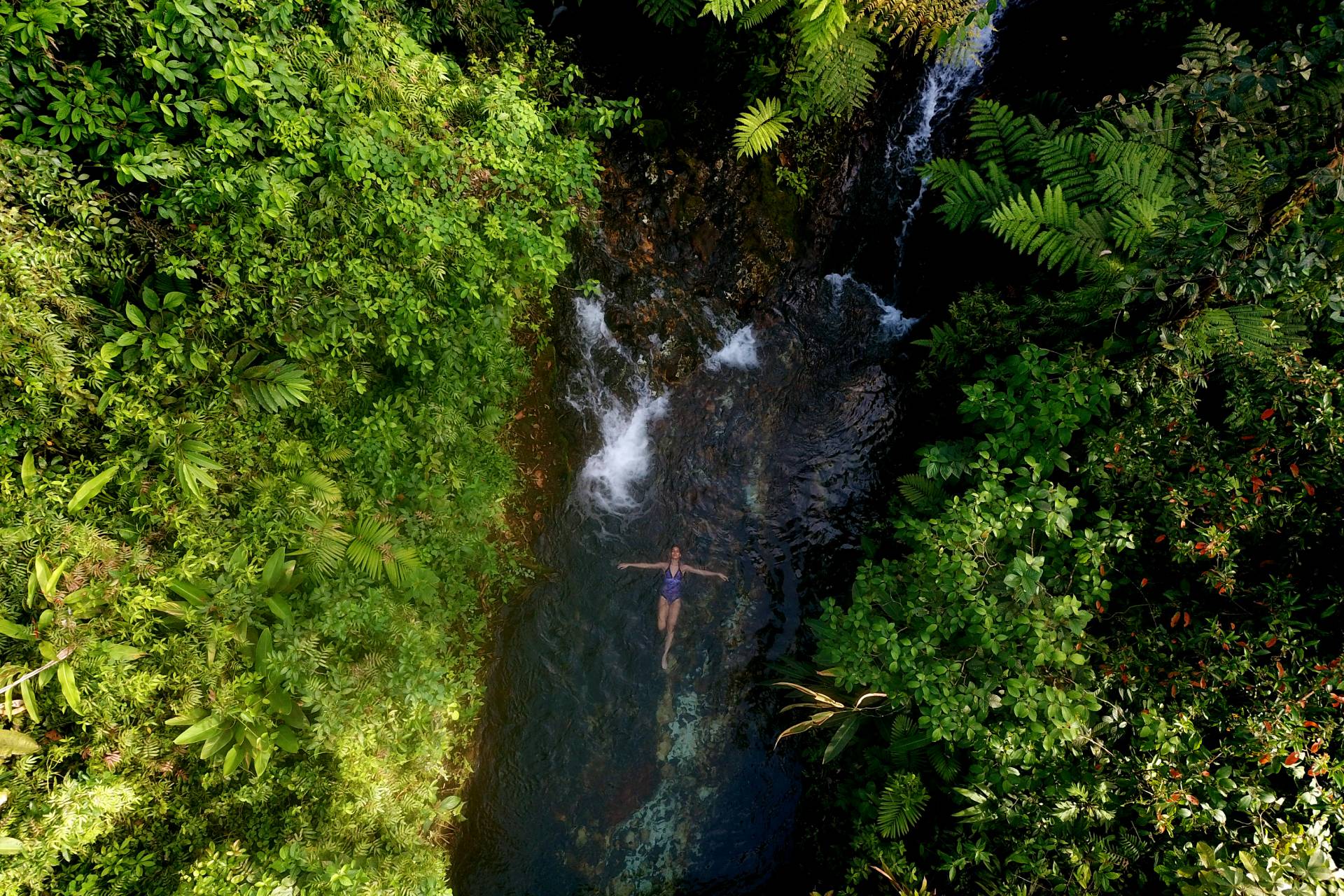
A private reserve often creates the most complete experience because it gives you room to slow down. You are less likely to feel pushed through bottlenecks or surrounded by noise that competes with the sounds of the forest itself. This matters more than many people expect. The rainforest is subtle as much as dramatic. If the environment is crowded, much of that subtlety disappears.
Look for a place where the journey unfolds in layers – trail, waterfall, thermal water, rest, and a refined meal rather than a single quick stop. That arc tends to create the sensory fullness travelers remember most.
Timing shapes the entire experience
The best rainforest daytrip is not always the earliest or longest one. It is the one timed to your energy and the season. Morning departures usually bring cooler air, softer light, and a more tranquil atmosphere on the trails. For many travelers, this is ideal because the senses are fresher and the forest feels more alive before midday heat builds.
That said, if thermal waters and relaxation are central to your day, a slightly slower start can be just as appealing. The key is balance. Too much activity packed too tightly can dull the very awareness you came for. Too little structure can make the day feel vague. A well-designed itinerary has rhythm – movement, pause, refreshment, and restoration.
Weather is part of this equation. In Costa Rica, rain is not necessarily a disruption. In a rainforest, it can heighten scent, sound, and atmosphere beautifully. The trade-off is trail condition and visibility. If you prefer comfort and ease, choose a provider equipped to handle shifting weather with professionalism rather than improvisation.
Dress for comfort, not performance
If you are deciding how to plan a sensory rainforest daytrip, packing is less about gear and more about ease. The goal is to move through the landscape without distraction. Lightweight clothing, breathable layers, supportive walking shoes with grip, and a change for water-based experiences are usually enough.
Avoid overpacking. A heavy bag, the wrong fabric, or shoes chosen for style rather than terrain can pull your attention away from the experience. On the other hand, refined comfort makes a real difference. A fresh towel, a robe after thermal soaking, secure places to store personal items, and easy transitions between activity and rest all elevate the day.
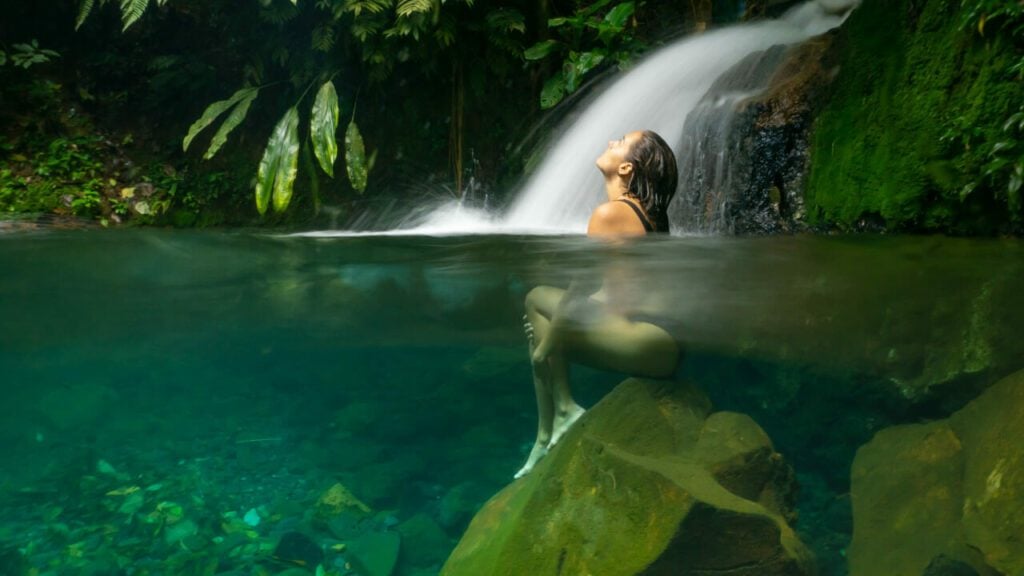
This is one reason premium experiences appeal to discerning travelers. They remove small friction points that quietly erode enjoyment. You stay focused on the waterfall mist, the warmth of mineral-rich water, the scent of wet earth, and the calm that follows.
Why a guide matters more than most travelers expect
A sensory rainforest experience becomes exponentially richer with the right guide. Without interpretation, many travelers notice the obvious beauty but miss the deeper story. A skilled guide reveals the ecology behind the soundscape, the behavior hidden in a flicker of movement, and the relationship between water, volcanic earth, and the forest’s extraordinary vitality.
For luxury travelers, guiding also shapes the emotional tone of the day. The best guides know when to share insight and when to allow silence. They read the group, adjust pacing naturally, and create a sense of confidence without intruding on intimacy. That balance is rare.
This is where a curated experience stands apart from a generic tour. At Sensoria, for example, the rainforest is presented not simply as a place to visit, but as a sanctuary to feel with full attention. That shift in philosophy changes everything from route design to service details.
Build in restoration, not just adventure
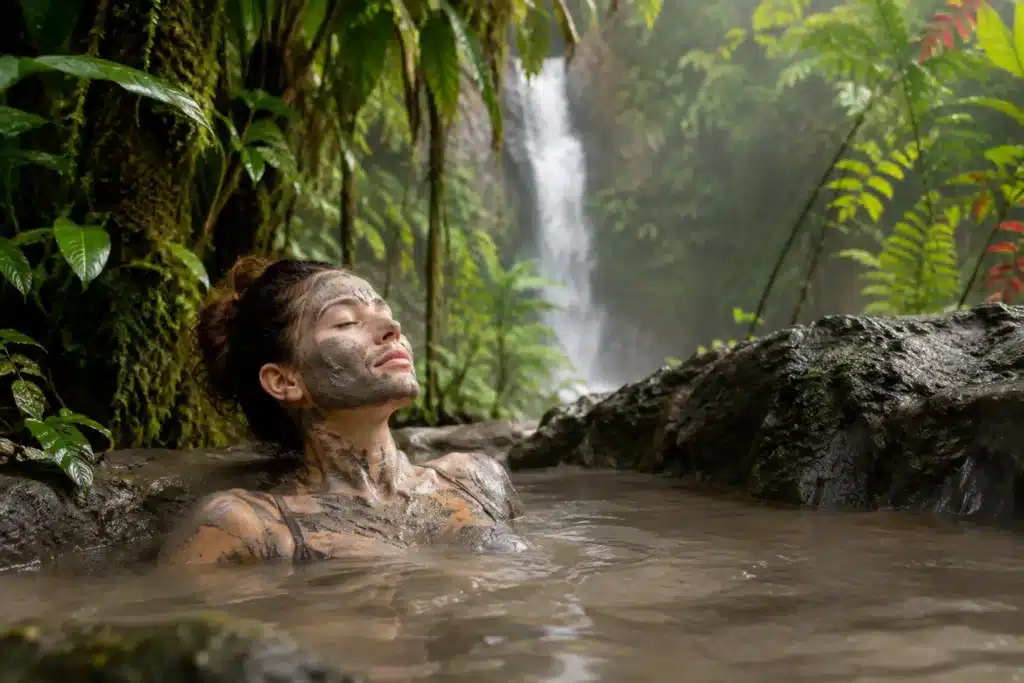
The most memorable rainforest daytrips do not end at the final viewpoint. They resolve into rest. Thermal pools, riverside pauses, spa-style touches, and a beautifully prepared meal can turn a lovely outing into a transformative one.
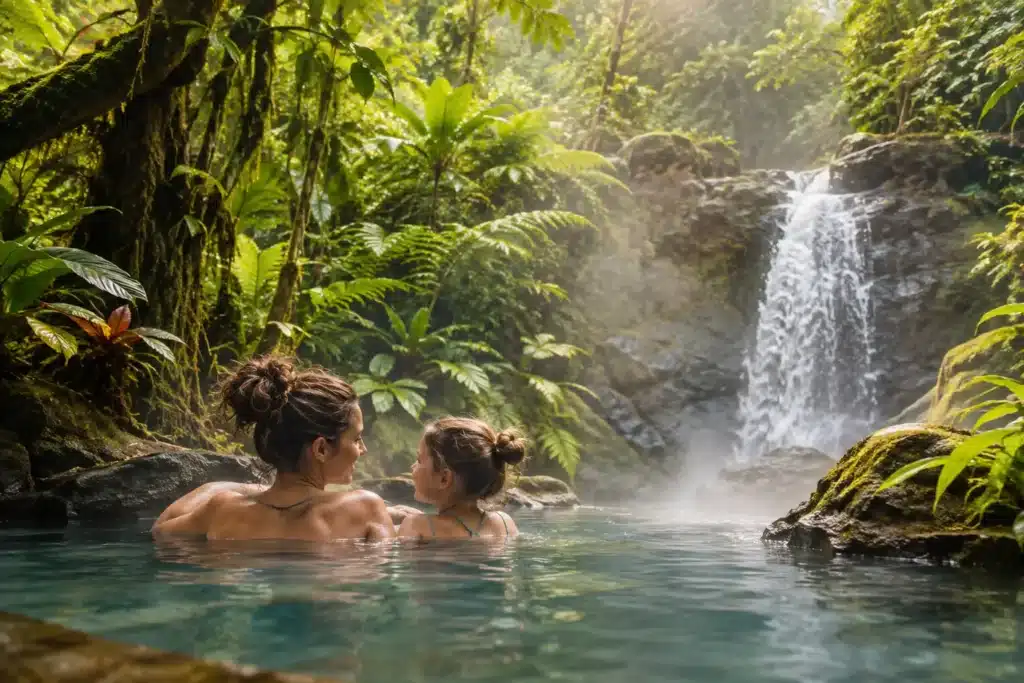
This is not indulgence for its own sake. It is part of the sensory logic of the day. After walking, listening, and absorbing the rainforest’s energy, the body responds deeply to warmth, stillness, and nourishment. For couples, this often becomes the most intimate part of the experience. For families, it creates a softer landing that helps everyone leave relaxed rather than overstimulated.
There is a practical side to this too. If you are visiting Guanacaste during a broader Costa Rica itinerary, a restorative daytrip can offer more value than a physically demanding excursion that leaves you depleted for the next day.
Small details that separate a good day from an exceptional one
Transportation comfort matters, especially if you are coming from a beach resort or private villa. So does the quality of the meal, the cleanliness of changing areas, the availability of shaded rest spaces, and how personalized the day feels. These details may sound secondary while planning, yet they often define the memory afterward.
The same is true for group size. A shared outing can be enjoyable, but privacy changes the atmosphere. A smaller, more intentional experience allows for quieter observation, more flexible pacing, and a stronger sense of exclusivity. If you are celebrating a honeymoon, anniversary, family milestone, or simply want a more elevated day in nature, that trade-off is worth considering.
Budget also deserves honesty. Not every traveler needs a premium experience, and a simpler tour may be perfectly suitable if your priority is price. But if you value emotional depth, physical comfort, and polished service, the higher investment often pays off in a day that feels genuinely rare rather than merely convenient.
The rainforest gives generously to those who meet it with attention. Plan your daytrip around sensation, space, and restoration, and you may find that what stays with you is not just what you saw, but how fully you were able to feel it.