
Speed has become a measure of value.
Fast responses signal competence. Fast growth signals success. Fast travel signals efficiency. Even rest has been optimized, compressed into weekend escapes and tightly scheduled itineraries.
Somewhere along the way, urgency replaced rhythm.
Yet the human nervous system was never designed for constant acceleration.
It was designed for cycles.
At Sensoria, deep within the protected rainforest near Rincón de la Vieja, time behaves differently. It expands. It softens. It detaches from expectation.
And in doing so, it restores something essential.
The Illusion of Productivity in Travel
Modern travel often mirrors modern life. Itineraries are tightly curated. Attractions are stacked back to back. Even relaxation is scheduled between excursions.
The result is a familiar pattern. Travelers return home with photographs, yet still fatigued. They have seen much, but absorbed little.
Speed allows you to cover ground.
Slowness allows you to experience it.
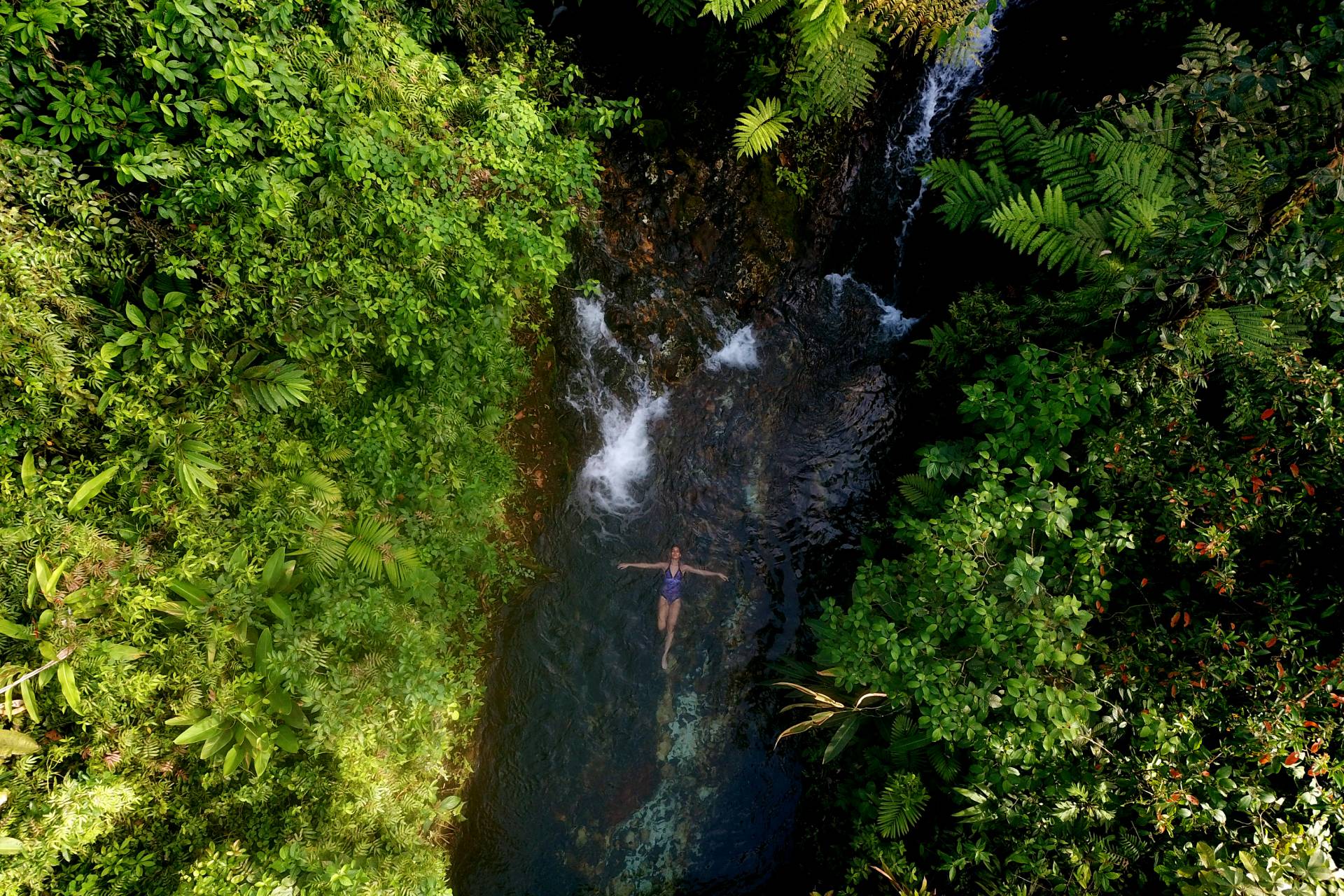
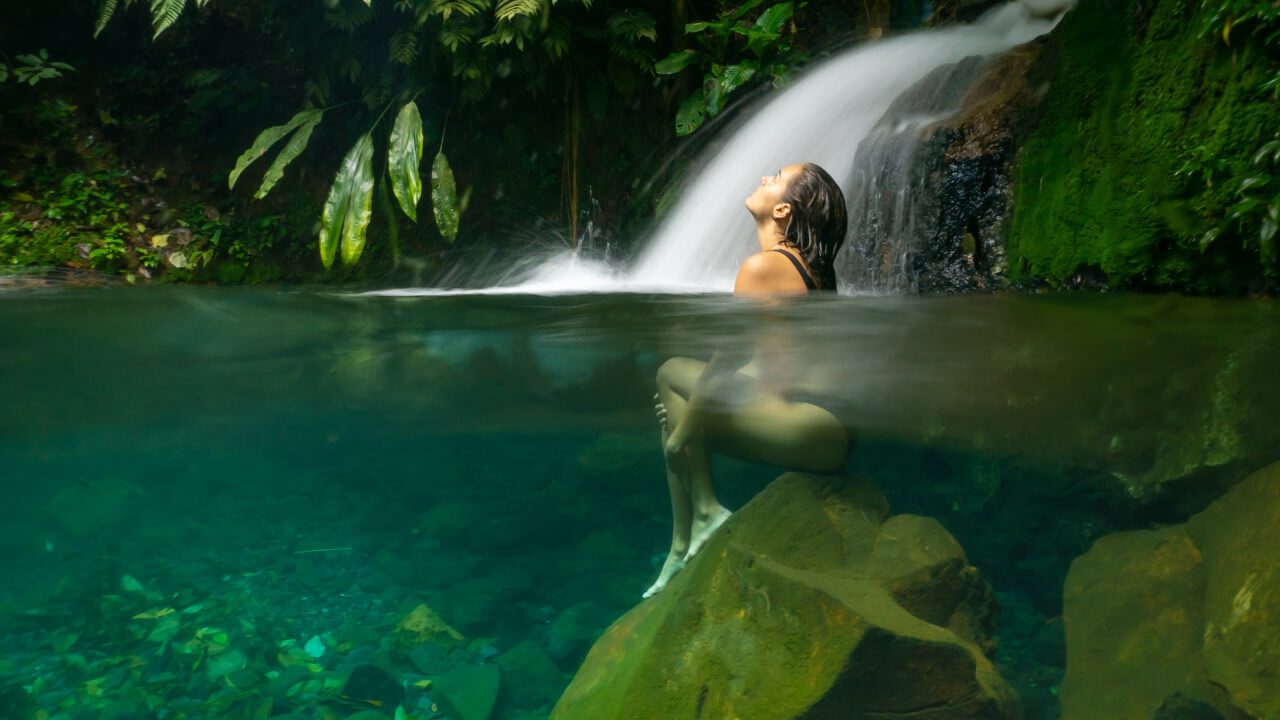
At Sensoria, the experience is intentionally structured around presence rather than pace. Trails unfold gradually. Waterfalls appear without announcement. Thermal pools invite immersion without time pressure.
There is no need to rush to the next highlight.
Because the highlight is the moment you are already in.
Slowness as a Form of Sophistication
For high performing individuals, slowing down can feel uncomfortable at first. Silence feels unfamiliar. Space feels excessive. The absence of urgency can be mistaken for inefficiency.
However, slowness is not the absence of movement.
It is the refinement of attention.
In the rainforest, the pace of perception changes. Instead of scanning quickly for the next visual reward, you begin to notice subtle transitions. Light filtering through layered canopy. The shift in temperature as you approach water. The complexity of sound beneath apparent quiet.
The environment encourages depth rather than speed.
And depth creates impact.
True luxury is not defined by how much you can do in a day.
It is defined by how deeply you can inhabit a moment.
The Nervous System and the Power of Pause
Chronic urgency places the nervous system in a sustained state of activation. Heart rate remains elevated. Cortisol circulates consistently. Decision making becomes reactive rather than reflective.
In contrast, immersion in biodiverse environments activates the parasympathetic response. Breathing slows naturally. Muscles release tension. Mental noise quiets.
At Sensoria, this shift happens subtly.
Walking through forest corridors surrounded by dense greenery recalibrates visual processing. Listening to layered water sounds stabilizes attention. Immersing in hypothermal mineral pools relaxes musculature without shock.
Time begins to feel elastic.
Minutes stretch without feeling empty.
You are not waiting for something to happen.
You are allowing something to unfold.
The Discipline of Doing Less
Slowness requires discipline.
It requires resisting the impulse to document every moment. It requires releasing the need to maximize efficiency. It requires allowing silence to remain unfilled.
This is where Sensoria distinguishes itself from conventional tourism.
There is no pressure to perform enjoyment. No urgency to move through the experience quickly. Visitor numbers are intentionally limited, preserving intimacy and ecological balance.
As a result, space becomes perceptible.
You notice the distance between sounds. The gap between thoughts. The pause between steps.
Within those pauses, clarity emerges.
A Landscape That Refuses to Rush
The rainforest itself models patience.
Water carves stone over centuries. Roots stabilize soil gradually. Canopy layers grow in deliberate succession. Nothing forces acceleration.
When you immerse in this environment, you begin to mirror its rhythm.
Instead of asking what comes next, you begin asking what is happening now.
This shift is subtle yet profound.
It transforms experience from consumption into participation.
Slowness and Emotional Restoration
Many travelers arrive at Sensoria carrying invisible fatigue. Not necessarily dramatic burnout, but cumulative tension from constant decision making and digital immersion.
Traditional vacations often distract from that fatigue. Slowness addresses it.
Sitting quietly beside a waterfall, without agenda, allows emotional processing to occur naturally. Immersing in mineral waters without checking time supports internal release. Walking mindfully through forest trails encourages grounded awareness.
Gradually, urgency dissolves.
The mind no longer scans for the next obligation.
It rests.
And when the mind rests, emotional equilibrium returns.
Redefining Productivity Through Presence
Ironically, stepping away from speed often enhances effectiveness.
Professionals who immerse in environments without urgency frequently report sharper thinking afterward. Ideas clarify. Strategic direction feels less fragmented. Creativity resurfaces.
This is not coincidence.
The brain requires downtime to integrate information. Without pause, insight remains inaccessible.
Slowness is not the opposite of productivity.
It is the foundation of sustainable productivity.
At Sensoria, presence becomes the primary activity.
And presence transforms everything.
The Luxury of Unscheduled Moments
In a culture that celebrates optimization, unscheduled time has become rare.
At Sensoria, unscheduled time is protected.
After hiking, there is no immediate transition. After immersion, there is no countdown. After dining, there is no pressure to depart quickly.
These unstructured intervals allow the experience to integrate fully.
You begin to notice sensations lingering. Warmth in the muscles. Freshness in the lungs. Calmness in the mind.
When nothing demands your attention, awareness deepens.
And awareness feels like abundance.
Slowness as Regenerative Travel
Regenerative travel seeks not only to preserve ecosystems, but to restore travelers.
Slowness is essential to both.
By limiting visitor volume and resisting overdevelopment, Sensoria protects biodiversity. By encouraging intentional pacing, it restores internal balance.
The environment thrives because it is not overwhelmed.
The traveler thrives because they are not rushed.
This alignment defines modern eco luxury. Not expansion. Balance.
Returning to a Faster World Differently
Eventually, you leave the rainforest. The road widens. Signal returns. Schedules resume.
However, something remains. You carry with you a recalibrated sense of time.
Emails feel less urgent. Decisions feel less reactive. Even conversations feel more spacious.
Because you have experienced time without urgency.
And once you recognize that pace is optional rather than mandatory, your relationship with speed changes.
The Quiet Revolution of Slowness
There is a quiet revolution happening among discerning travelers.
They are no longer chasing experiences. They are seeking depth. They are no longer prioritizing volume. They are valuing presence.
At Sensoria, slowness is not marketed as novelty. It is embedded into the structure of the experience.
The forest does not rush you. The water does not rush you. The day does not rush you.
And in that absence of urgency, you rediscover something increasingly rare.
You rediscover rhythm. Time without urgency is not empty. It is expansive.
And in that expansion, renewal takes root.